
Professional Pathways
Secure Your St. John’s-Funded Internship or Fellowship
Every student who attends St. John’s is eligible for up to $5000 in funding to complete an internship or academic fellowship during their time at the college, and St. John’s helps to find and match opportunities with each student’s chosen career pathway, including graduate study. Check out recent Johnnie internship and fellowship sponsors, Johnnie employers, and alumni-affiliated institutions by industry below.
Professional Partnerships by Pathway*
*A professional partner is an institution which regularly recruits at St. John’s; where Johnnies have recently completed internships, academic fellowships, or have been hired for full-time work; or is Johnnie-owned.
US Naval Observatory
Los Alamos National Labs
NASA Goddard Space Flight Center
National Oceanic Atmospheric Administration
Sandia National Laboratories
NASA Innovative Advanced Concepts Program
Smithsonian National Zoo’s Conservation Ecology Center
Santa Fe Institute
University of Chicago, Institute for Mind & Biology
University of Chicago, Human Behavioral Pharmacology Lab
University of Chicago, London Lab
Cornell University’s Experience & Cognition Lab
University of California Berkeley, Language & Cognition Lab
Tulane University, Department of Evolutionary Biology & Ecology
University of Vermont, Complex Systems Center
University of Pennsylvania, Physics & Astronomy Lab
University of Colorado, Language, Development & Cognition Lab
University of Washington, Kaeberlin Laboratory on Aging
Boston University, Social Learning Lab
University of Maryland, Department of Cell Biology & Molecular Genetics
University of Texas, EVO Learn Lab
Dong-A University, Peripheral Neuropathy Research Center
Xiangya School of Medicine, Cancer Research Institute
Magee Women’s Research Institute
Thomas Jefferson National Accelerator Facility
Carnegie Institution for Science
City of Hope Cancer Center
City College of New York Planetarium
The Manila Observatory
San Francisco Department of Public Health
New Mexico Museum of Natural History and Science
Thai Equine Veterinary Hospital
Turquoise Trail Veterinary Urgent Care
Living Oceans Foundation
NASA History Program
STEM Santa Fe
Project Wildlife
EarthCare Mutual Aid
Calvert Marine Museum
US Department of Justice
US Department of State
Federal Bureau of Investigation
American Civil Liberties Union
U.S. Attorney’s Office, District of Maryland
U.S. Attorney’s Office, District of New Mexico
Harvard Law School
Stanford Law School
Georgetown Law
University of Maryland, Carey School of Law
William & Mary School of Law
Lewis & Clark Law School
Hudson Institute Fellows Program
Hertog Foundation
US Naval Academy: Stockdale Center for Ethical Leadership
Hunt Institute for Global Competitiveness
Anne Arundel County Office of the State’s Attorney
US Congress
German Marshall Fund
Maryland Office of the Public Defender
City of Santa Fe Attorney’s Office
Fulton County District Attorney’s Office
Maryland State Archives
Lawyers for Civil Rights
Think New Mexico
Hinkle Shanor LLP
Human Rights Watch
Transgender Law Center
Maryland Department of Natural Resources
American Enterprise Institute
New Mexico Legislative Council Service
Massachusetts State House
City of Annapolis Department of Planning and Zoning
San Francisco Department of Public Health
National Archives & Records Administration
Harvard University, Laboratory for Developmental Studies
University of Chicago, Institute for Mind & Biology
University of Chicago, Department of Psychology
University of Chicago, Human Behavioral Pharmacology Lab
University of Chicago, London Lab for Neurobiology
University of California Berkeley, Language & Cognition Lab
Tulane University, Department of Evolutionary Biology & Ecology
University of Southern California, Virtues, Ideology & Morality Lab
Cornell University’s Experience & Cognition Lab
Boston University, Social Learning Lab
Georgetown University, Department of Psychology, Culture, & Emotions Lab
University of Colorado, Language, Development & Cognition Lab
University of Colorado, Social Neuroscience Lab
Texas A&M University, Worthy Lab for Cognitive Neuroscience Research
University of North Carolina, The Mind Perception & Morality Lab
New Mexico Tech, Elliott Lab for Experimental Psychology
American Institute for Behavioral Research & Technology
Erikson Institute at the Austen Riggs Center
Princeton University
Stanford University
University of Chicago
Tulane University
University of Notre Dame
Johns Hopkins University
Boston College
Vassar College
New York University
Howard University
Bard College
Baylor University
McGill University
University of Maryland
University of Texas, Austin
Jefferson Center at UT-Austin
University of New Mexico
New Mexico Tech
University of Dallas
Hamilton Center at University of Florida
University of Colorado, Boulder
City College of New York&
Catholic University of America
University of Oregon
Arizona State University
Santa Fe Institute
Deep Springs
The Orthodox Monastery of the Holy Archangel Michael
Old South Church
St. Philip in the Hills
St. Stephens Episcopal Church
Rome Institute of Liberal Arts
Incheon National University of South Korea
The Living Water School
Santa Fe Prep
The Key School
New Mexico School for the Arts
Berkshire Teaching Fellowship
Great Hearts Academies
BASIS Schools
One School Global
Santa Fe Public Schools
Santa Fe Community College
Anne Arundel County Public Schools
Anne Arundel Community College
Austin Community College
New York Public Library
D.C. Public Library System
King County Library System (WA)
Santa Fe Public Library
Waltham Public Library
Cowan-Blakley Memorial Library
Maryland State Archives
Smithsonian Institution, National Museum of American History
Smithsonian Folkways Recordings, Center for Folklife Cultural Heritage
NASA History Program
National Archives & Records Administration
Hudson Institute Fellows Program
Hertog Foundation
Wall Street Journal
CNN
National Geographic Magazine
Bloomberg News
Dow Jones News Fund Fellowship
Radio Free Europe
Bay Weekly Newspaper
Albuquerque Business First
Santa Fe Reporter
Smithsonian
American Shakespeare Center
Santa Fe Opera
Annapolis Opera
Brooklyn Theater
Baltimore Theater Project
Washington Performing Arts Society
Annapolis Shakespeare Company
Shakespeare Theater of New Jersey
Santa Fe Playhouse
New York Youth Symphony
Milwaukee Symphony Orchestra
Annapolis Symphony Orchestra
New York University Press
Princeton University Press
The New Atlantis
City Lights Publishers
Veritas Literary Agency
Classical Academic Press
Kansas City Star Books
Baen Books
Alan Squire Publishing
Library of Congress Office of Communications
New Mexico Department of Cultural Affairs
PBS New Mexico
Meow Wolf
International Folk Art Museum
Georgia O’Keefe Museum
SITE Santa Fe
Maryland Hall for the Creative Arts
Akron Art Museum
Crocker Art Museum
New Britain Museum of American Art
Ki Smith Gallery
Touchstone Gallery
Davidson Galleries
Calloway Fine Art & Consulting
Kidd Restoration Studios & Archival Arts
Kenneth Milton Fine Arts
Marchutz School of Painting and Drawing
Hainan Dong-po Academy of Calligraphy & Painting
Upper Darby Arts & Education Foundation
DNCA Architects
Davis M. Schwarz Architects
Erik Block Design Build
Creative Santa Fe
Currents New Media Festival
Northwest Film Forum
The Doc Tank
Blue Bear Films
Awarehouse Productions
National Institutes of Health
Yale School of Medicine, Blumenfeld Lab
John Hopkins Medicine Technology Innovation Center
San Francisco Department of Public Health
Maryland Department of Public Health
New Mexico Department of Public Health
City of Hope Cancer Center
Memorial Sloan Kettering Cancer Center
Oregon Health Sciences University
Johns Hopkins Hospital
University of Pennsylvania, Magee Women’s Research Institute
University of Pittsburgh, Neurological Surgery Department
Nepal Mediciti Hospital
Boston Hope Medical Center
Medstar Georgetown University Hospital
University of Arizona College of Medicine
University of Buffalo Department of Pediatrics
Christus St. Vincent’s Regional Medical Center
Ascension St. Vincent Medical Group
University of New Mexico Hospital
New Mexico State University: IDeA Network of Biomedical Research Excellence
Potomac Family Planning Center
The Pediatric Clinic
DarioHealth
Sea Mar Community Health Center
US State Department’s Fulbright Fellows Program
Human Rights Watch
Americorps
German Marshall Fund
PeaceCorps
Hertog Foundation
Hudson Institute Fellows Program
Tomorrow’s Women
U.S. Attorney’s Office, District of Maryland
U.S. Attorney’s Office, District of New Mexico
American Civil Liberties Union
Alaksa Conservation Foundation
Federal Bureau of Investigation
US Department of Justice
US Congress
US Department of State
Korea Peace Institute
Los Alamos National Lab Foundation
Maryland Department of Natural Resources
Lawyers for Civil Rights
Think New Mexico
Maryland Office of the Public Defender
American Enterprise Institute
New Mexico Legislative Council Service
Massachusetts State House
City of Annapolis Department of Planning and Zoning
Sandia National Laboratories
San Francisco Department of Public Health
National Museum of American History
Historic Annapolis Foundation
Global Santa Fe
Projects for Peace
Fulton County District Attorney’s Office
Santa Fe Botanical Gardens
Gerard’s House
Santa Fe Public Library
New Mexico Museum of Natural History and Science
Release Peace
Albuquerque Street Connect
EarthCare Mutual Aid
Living Oceans Foundation
Denver CASA Child Advocacy
Johns’ Hopkins University, Institute for Applied Economics
Hunt Institute for Global Competitiveness
US Naval Academy: Stockdale Center for Ethical Leadership
US State Department’s Fulbright Fellows Program
Arete Wealth Management
Reserve Capital Partners
Thornburg Investment Management
Balbec Capital
Portfolio Wealth Advisors
Longview Asset Management
Azlore Capital
Neat Capital
Covalent Strategies
The Business Journals
New Mexico State Pension Fund
City of Albuquerque, Economic Development Department
New Mexico State University Arrowhead Center, Studio G
Meltwater
Miyoko’s Creamery
Scholium Wines
Preston Farm & Winery
Duckhorn Vineyards
DNV Netherlands Energy Systems
Open Path Products
Ninayo
AI4All
Konya Seker Factory

Internships and Fellowships
Every year, St. John’s College awards funded internships and fellowships across disciplines to our students. In addition, every student who wants a paid internship, and who will work with the college’s process for placement, will receive one. A selection of recent awards is below.
Explore By Field:
Fields
-
STEM
-
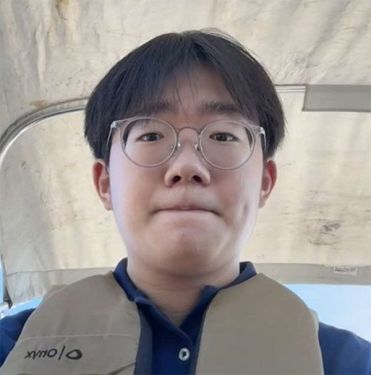
Daniel Kim (A26)
NOAA, Office of Habitat Conservation, Silver Spring, MD
Research Intern"This internship was not only an opportunity for me to learn more about how government agencies interact with each other, with the shared goal of conserving our environment, but also a valuable window into my future... Working in an office where policy and the environment are intertwined revealed what direction I would like to pursue after graduation."
-
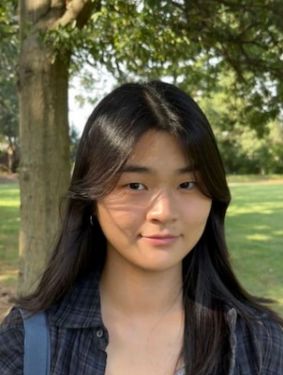
Jungbin Moon (A26)
NOAA, Office of Coastal Management, Silver Spring, MD
Research Intern"Working on various different projects reminded me of what my four years of St. John's had taught me, asking big questions, exploring them without expecting simple and definitive answers, and wrestling with unfamiliar subjects with curiosity and courage—just like in seminars, although I was instead trapped alone in my room by the merciless Texas heat."
-
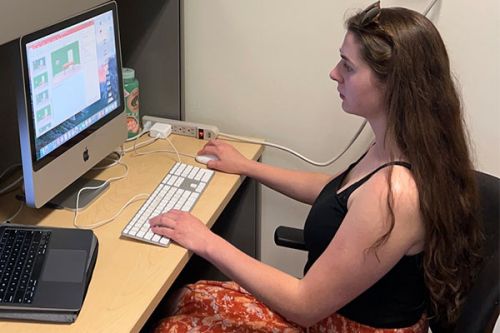
Zohar Na’aman (SF24)
Language, Development, and Cognition Lab, Colorado University-Boulder
Intern"I can now look at my future after St. John’s, especially with respect to graduate school, with anticipation rather than trepidation because I received vital career experience and insight into real research at an academic institution."
-
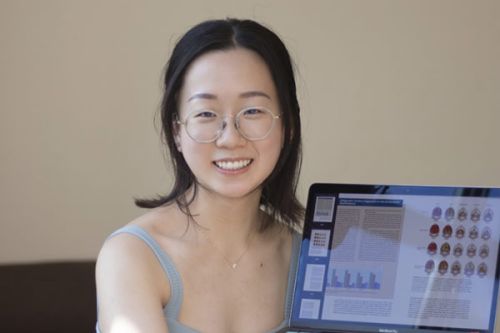
Tong “Cynthia” Wu (A23)
Johns Hopkins University
Course: Behavioral Endocrinology“After St. John's College, I wish to pursue education in animal science. The course offered me a new prospective field of study that I could explore further.”
-
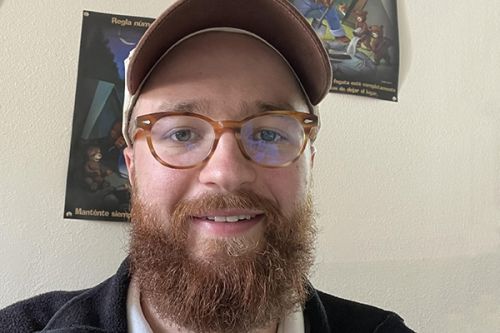
David Michalove (SF22)
Unity College, New Gloucester, ME
Course: Environmental GIS“I found it empowering to learn how to be an active researcher, how to go through and digest scholarly articles on a subject which invariably impacts my work and life.”
-
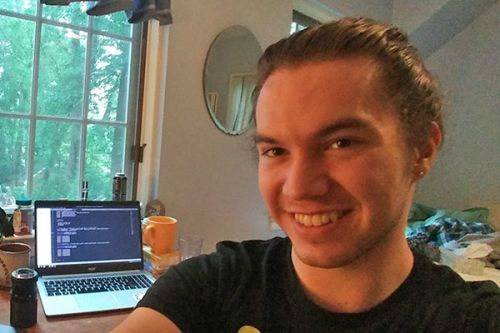
Raphael Rose (A22)
NASA Goddard Space Flight Center, Gravitational Astrophysics Lab
Intern“The confidence I have learned in teaching myself [was] immeasurably useful in an internship where I lack[ed] most of the background knowledge.”
-
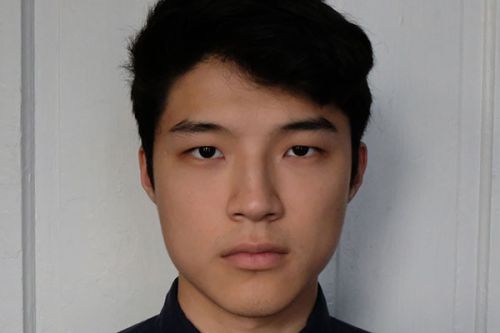
Tergel Tuvshinjargal (A22)
University of California, Berkeley
Course: Linear Algebra and Differential Equations“It showed me why I am interested in mathematics, aside from the theoretical discussion. The practical application of everything I learned seemed significant and necessary for the world we live in today.”
-
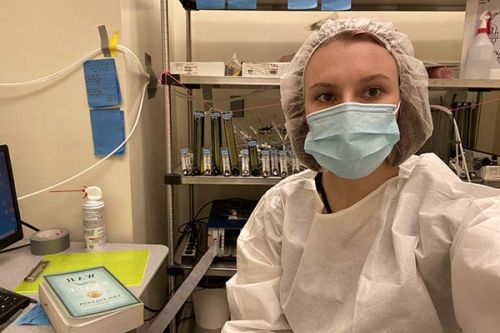
Sandrina Mislitchi (SF22)
University of Chicago
Research Assistant“During my time at the University of Chicago, [Professor Leslie Kay (SF82)] introduced me to several of her colleagues in the field, explained how to find and apply to graduate programs, and discussed other potential paths I could take after graduation.”
-
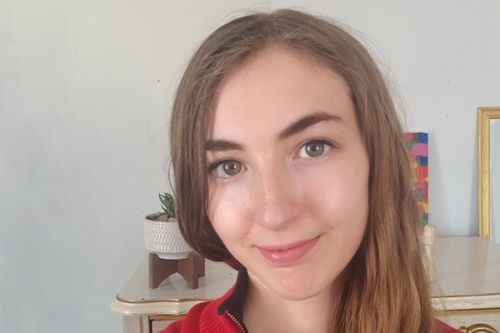
Genevieve DeMajistre (A22)
Smithsonian Environmental Research Center (SERC)
Intern“I am interested in how scientific observations can be used in areas such as ecological gardening, wildlife conservation, and the rebuilding of ecosystems in ways that help combat climate change.”
-
Tang Li (SF21)
University of Chicago
Research Assistant“I found during my summer internship that the kind of rigor in thinking practiced in St. John's classrooms is very beneficial for doing well in a research setting.”
-
Sohyeon Jung (SF21)
Central New Mexico College, Albuquerque, NM
Course: Data Science Bootcamp“I chose to take a boot camp rather than typical computer programming courses offered from regular summer school education. I want to be a data scientist, and I needed project experience."
-
-
Law
-
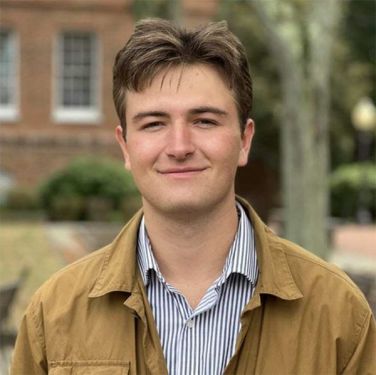
August Bellanca (A27)
Copeland Taylor Harpell, LLC, Wilmington, DE
Intern"Through my experience working with difficult texts and understanding the history of the progression of ideas, I was able to access the history of legal thought on a deep level and engage with original texts focused on the actual philosophy behind the laws I was exploring in my research."
-
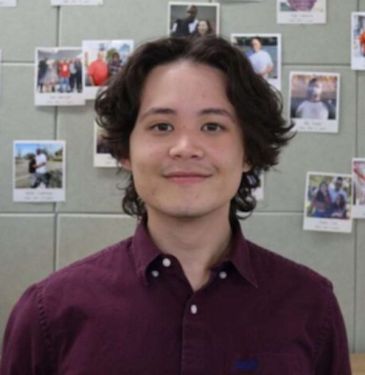
Nicholas Hoo (A26)
For the People, Oakland, CA
Intern"[At St. John's,] I was taught to synthesize large amounts of information, identifying program authors' critical and underlying arguments... This is an incredible asset in the corporate world, where one must, in every project, grapple with various tools, types of information, and desired outcomes. If one wishes to be truly efficient, they must holistically view the various components of a project and arrange them into a navigable system."
-
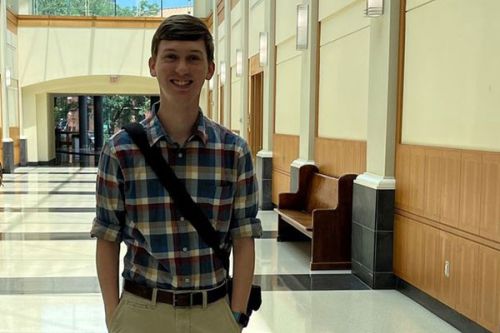
James Dormer (A24)
Anne Arundel County State’s Attorney’s Office for Maryland
Intern"St. John’s has taught me how to read things with a careful eye without sacrificing speed."
-
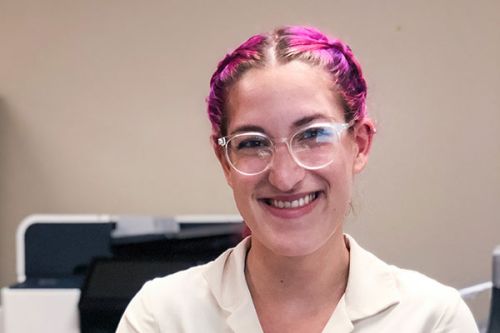
Tessa Wild (A23)
Maryland Office of Public Defense, Annapolis, MD
Intern“Being able to observe the day-to-day activities of a public defender, which are often hectic and complicated, gave me immeasurable insight into what a career in law could actually look like for me.”
-
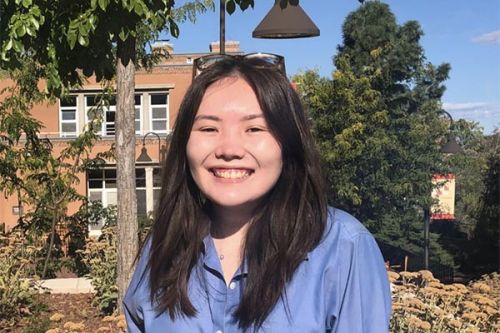
Zhansaya Kuatzhan (SF22)
Hinkle Shanor LLP, Santa Fe, NM
Litigation Assistant“It is uncommon for undergraduates interested in law to be able to land an internship at a law firm, so I jumped at the chance.”
-

Georgenia Nkwocha (SF22)
Harvard University
Course: Introduction to Law and Contemporary Debates“I saw this as a chance to apply the philosophical method of thinking that St. John’s initiates, to better understand the legal field.”
-
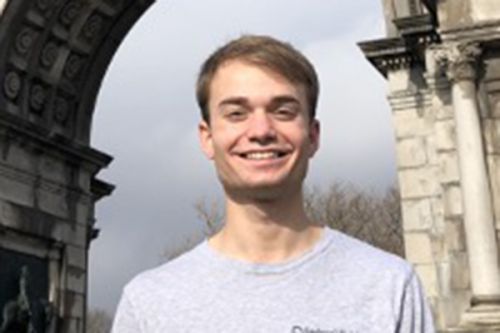
Jameson Marshall (A20)
Office of the Federal Public Defender Service, District of Maryland, Baltimore
Intern“Most of the work involved in legal defense isn’t glamorous. You won’t find it in many TV shows or movies, but it is important. People’s lives are at stake.”
-
-
Service
-
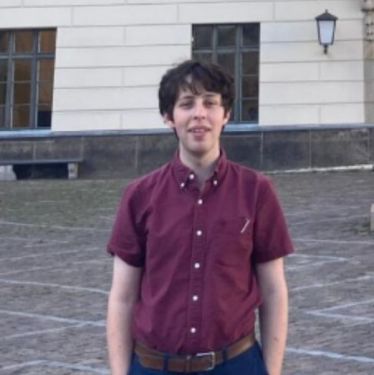
El-ad Nichols-Kaufman (A25)
Humboldt University, Berlin, Germany
Planning Urban Neighborhoods in Transition—The Case of Berlin"I learned the thing that drives me towards planning, the desire to improve the built environments which have shaped the lives of my communities, is something that can be contributed through the study of planning."
-
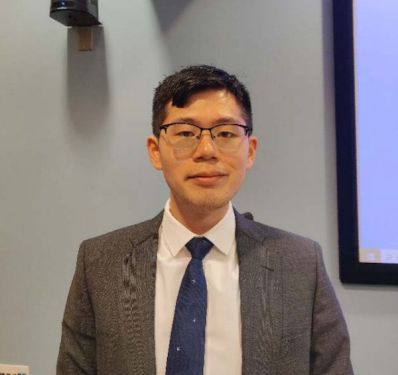
Henry Zheng (A24)
United States Department of Agriculture, Animal and Health Inspection Service (USDA-APHIS), Washington, D.C.
Intern"At the heart of St. John's College, the fundamental lessons that taught me how to be a great reader and thinker really resonated with my internship work. I was left with questions that were central to why I had pursured the public service path."
-
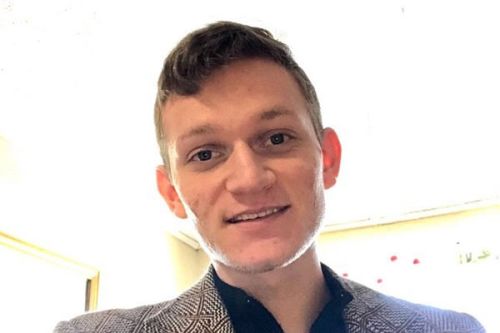
Conor Flynn (A22)
International Rescue Committee, Baltimore, MD
Intern“In meeting other people in the capacity of social work, I fell back on my experiences of listening with the compassionate, kind, and humanizing sentiments to be found in the St. John’s Program.”
-
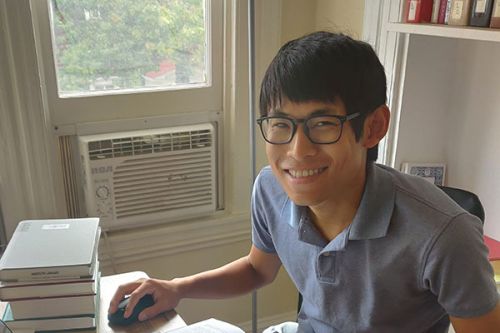
Ray Matsumoto (A22)
Pacific Atrocities Education, San Francisco, California
“I plan to intern at Pacific Atrocities Education again to write a better publication. Eventually, I want to teach these events of World War II to students and maybe work to transform education policy and curriculum.”
-
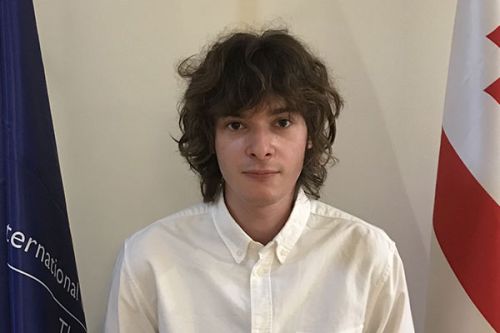
Levan Kiladze (A22)
International Organization for Migration (IOM), Tbilisi, Georgia
Intern“Participating in various administrative aspects of IOM’s projects has given me a good sense of how international organizations work with the government, NGOs, media, and the public.”
-
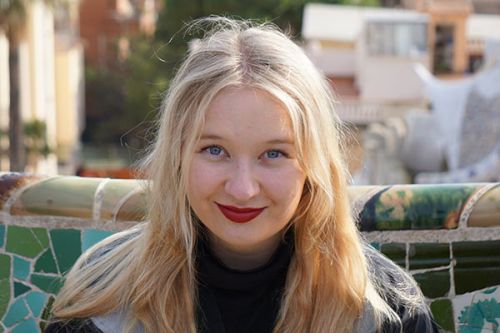
Sylvaine Bucher (SF21)
The Borgen Project, Tacoma, WA
Intern“As I embark on my path to being a public administrator, an inside view of a nonprofit is vital.”
-
-
Business
-

Talia Levy (A28)
PYF Studio, Manassas, VA
Operations and Marketing Intern"I would like to seek out opportunities at smaller companies or startups where I can work closely with leadership, take initiative, and have a visible impact on the organization... The combination of independence, problem-solving, technology, and direct impact is something I hope to continue pursuing in future."
-
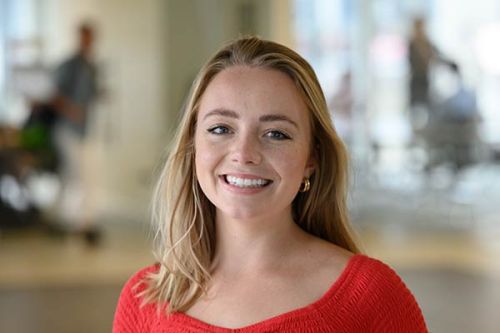
Leah March (SF23)
London School of Economics
Course: The Wealth (and Poverty) of Nations: Global Economic Development Past and Present“Advocating for economic mobility through equitable policy is one of my life’s great goals, and understanding the origins of modern wealth and poverty is critical to that pursuit.”
-
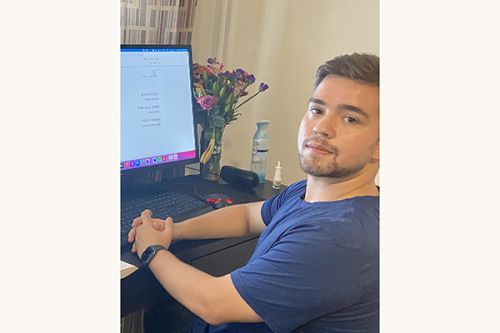
Rei Osmani (A22)
University of California, Berkeley
Course: Financial Accounting“The program’s goal was to assist me in getting a more technical education in the financial domain. My experience during the summer not only accomplished that but also helped guide me in a more realistic career path.”
-
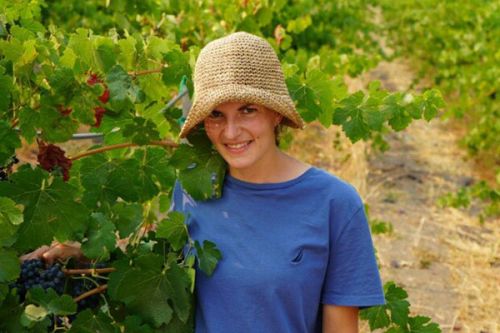
Cora Clark (A21)
Duckhorn Portfolio, St. Helena, California
Intern“Nowhere else but in the wine capitals of the world does one find field work that can be done only by human beings; nowhere else can you walk through vast farm fields and see no tractor smoke and hear no silos.”
-
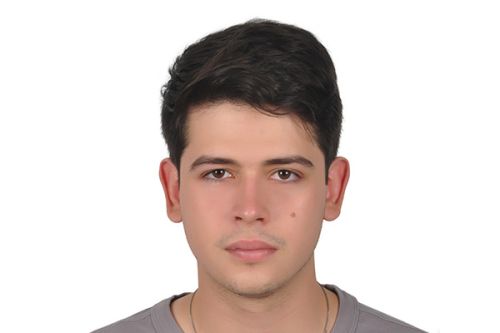
Esteban (Joaquin) Gamarra Jordan (SF21)
Bocconi University, Milan, Italy
Course: Digital Marketing“Before going into this course I had minimal knowledge of marketing, and this course is beginner-friendly as it provides an overview of marketing without any of its technicalities.”
-
-
Health
-
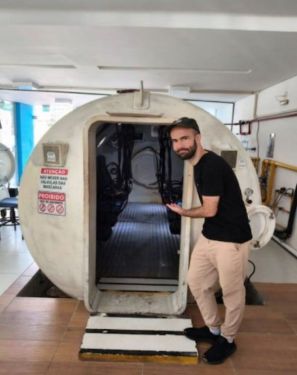
Karl Magalhaes (A27)
UNIAD, Recife, PE, Brazil
Intern"I came in wanting to contribute to therapies for people with chronic conditions, and I leave with a clearer picture of what that involves. It is not only mechanism and physiology; it is also the regulatory and legal apparatus that determines whether a treatment ever reaches a patient, and I found that I liked that side of the work more than I expected to."
-
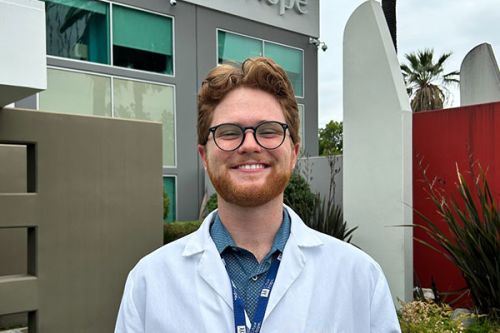
Caleb Briggs (A25)
T-Cell Therapeutics Research Laboratory at the Beckman Research Institute of City of Hope
Intern“Learning how to read well and how to ask the right questions was a great help when I was reading multiple scientific papers a week. Dealing with gray areas and ethical challenges was also easier thanks to previous experiences of wrestling with difficult questions in seminar and tutorials.”
-
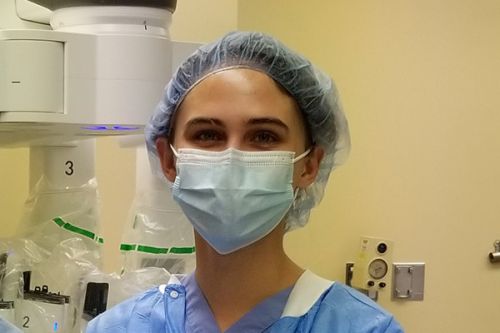
Sydney Whitten (SF23)
Ascension St. Vincent Hospital, Indianapolis, Indiana
Intern“I learned more through these experiences than any amount of research could have taught me. ... I achieved exactly what I set out to with my time—a more informed future.”
-
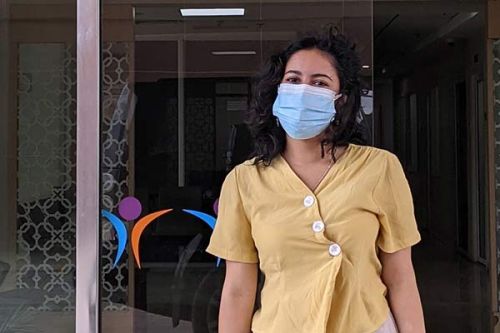
Apurva Sharma (A23)
Nepal Mediciti Hospital, Kathmandu, Nepal
Intern“The conversations between the doctors and the patients were fascinating; it felt very professional yet intimate. I realized it is very taxing on both ends to trust someone with your life and to be responsible for someone else’s life. But it is a beautiful exchange.”
-
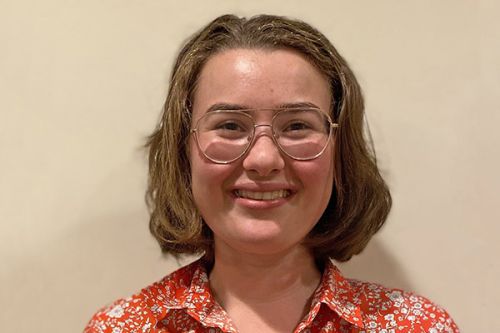
Dylan Michael (SF22)
Magee Women's Research Institute, Pittsburgh, PA
Research Assistant“Women’s health is one of the fields that was neglected for so long, and now with the work done by MWRI, it is finally moving forward, and I wanted to be a part of that remarkable mission.”
-
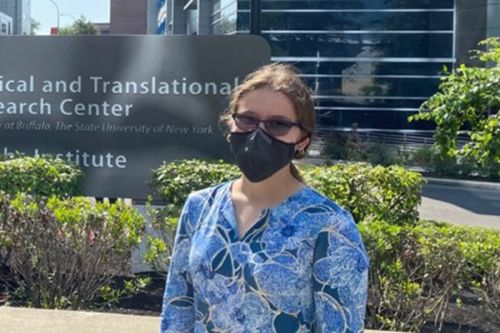
Katherine Quinn (A22)
Jacobs School of Medicine and Biology, SUNY Buffalo
Intern“I knew before this summer that I like reading and synthesizing large amounts of information; it was the more hands-on aspects of the work [that were] new to me, expanding my knowledge of how I like to work.”
-
-
Media
-
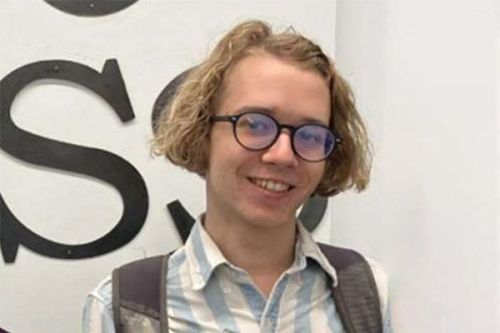
Jacob Sharpe (A27)
New York University Press, New York, NY
Marketing and Publicity Intern"Both within and without St. John's, my life is devoted to reading great works of literature to enrich my knowledge and awareness of the world, and to expose myself to ideas I wouldn't otherwise consider. For that reason, I consider myself a strong candidate for a career in publishing, as someone with an impassioned confidence in the value of upholding quality literature at all costs."
-
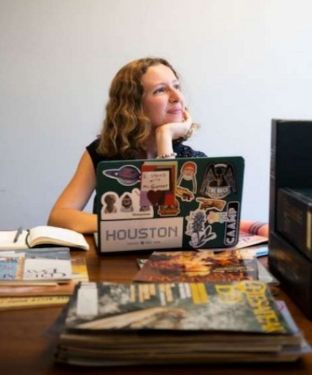
Helen Wagner (A26)
Chesapeake Bay Media, Annapolis, MD
Intern"I'm not afraid to approach a stranger, introduce myself as a journalist, and get interview. The St. John's skills of conversation and question-asking certainly come in handy."
-
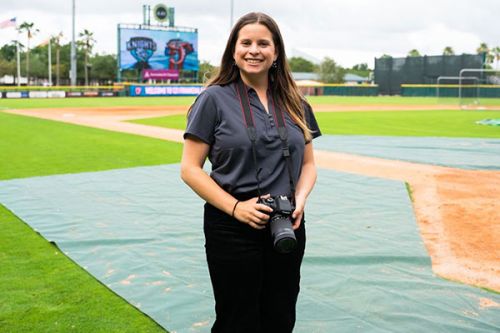
Lainey Rendelman (A26)
Jacksonville Jumbo Shrimp Baseball Club
Intern“One of the most frequently asked questions I receive pertaining to my education is, ‘Why would you go to a school like St. John’s if you want to work in sports broadcasting?' My answer to this question remains the same: St. John’s is teaching me through Seminar how to be an effective communicator."
-
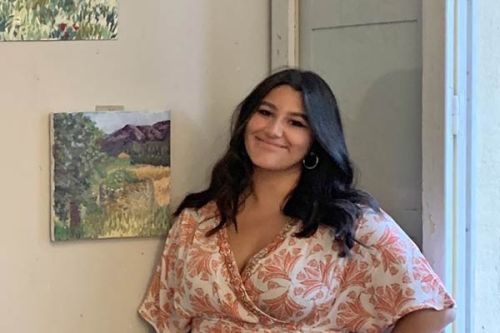
Diana Hidalgo (SF24)
The Marchutz School of Fine Arts Aix-en-Provence, France
Courses: Painting and Drawing; Art Criticism and Aesthetics“I learned how an image should be whole in every stage of its development, and when to retract the brush and let the image be.”
-
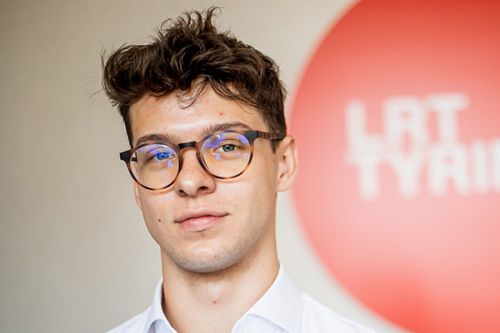
Kasparas Adomaitis (A23)
Lithuanian Radio and Television, Investigative Journalism Division
Intern“My time at LRT helped me see that a liberal arts education is very useful when pursuing a career in journalism, as it teaches open-mindedness and passion for seeking the truth, which are both beneficial for succeeding in this field.”
-
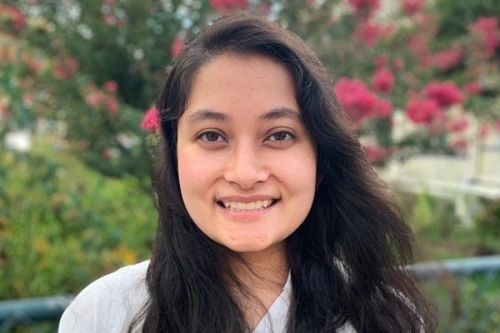
Kabita Sen (A23)
University of Massachusetts, Amherst
Course: International Journalism“I concentrated on representing the 'other' in news stories: When does one generalize in a news story? When does one include granular context? What kind of context is appropriate for news stories? What is 'newsworthy' about a different country and why?”
-

Miselo Matipa (SF22)
Boston University
Course: Storytelling for Film and Television“I learnt a lot and feel prepared to keep working at pursuing film and television and developing my voice as a storyteller, creator, and artist.”
-
-
Education
-
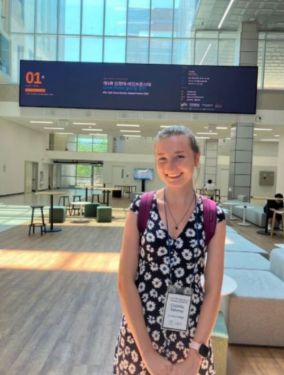
Delaney Costello (A27)
Hallym University, Chuncheon, South Korea
Intern"It is so fulfilling to know that even young students can still appreciate the Great Books, and that I can do real, good work for the world simply by sharing what I love most about St. John's: seminar."
-
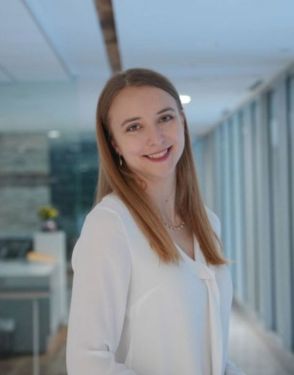
Reagan Bottomley (A26)
Hudson Institute Political Studies, Washington, D.C.
Intern"I had already played the part of confused student at St. John's and Hudson; now I learned to be the one helping develop confusion into structured thourghts... Having worked at the Hudson Institute to help others learn the same lessons that I have, I am more set than ever on this same career."
-
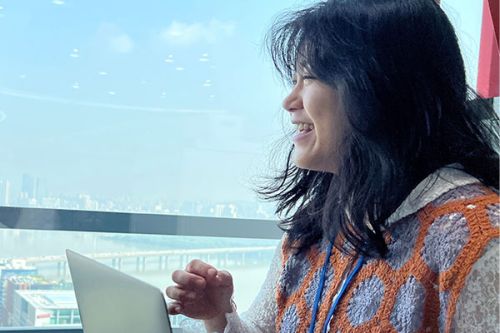
Yoomin Hong (SF26)
PhiloUS
Intern“I wanted students to experience the in-depth learning of math not only as solving a problem and getting the answer right, but also as a time to learn how to logically approach proving a proposition."
-
Carl Guttmann (SF24)
Rome Institute of Liberal Arts
Course: Empire and the Soul“RILA in many ways complements the sophomore readings on Rome and therefore is an invaluable asset for any St. John’s student that wishes to pursue a career related to the classics.”
-
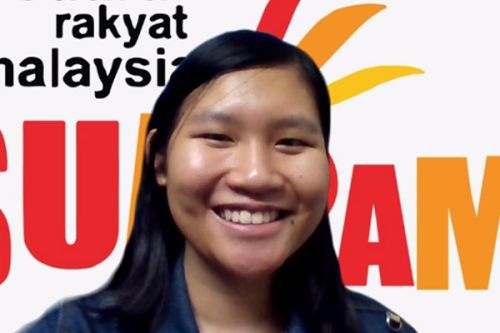
Onysha Boak (SF22)
Suara Rakyat Malaysia (SUARAM)
Intern“I have learned more about presenting data in ways that people can understand and have become better versed in the workings of Malaysian law and government.”
-
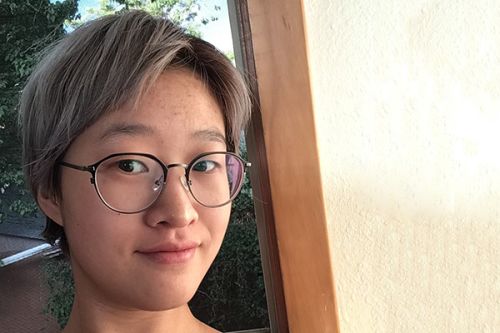
Danpig Long (SF22)
Mentoring Kids Works NM, Santa Fe, New Mexico
Intern“This [was] a wonderful opportunity for me, because I am interested in public education and community services but have not yet made up my mind to become a professional social worker.”
-
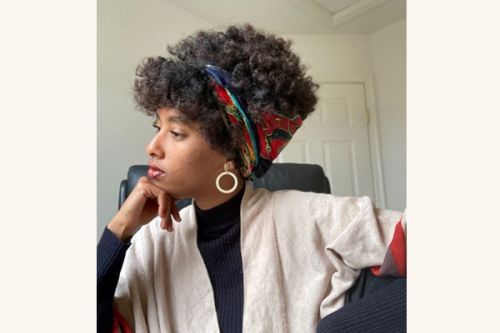
Rediet Worku (A21)
The English Academy (Exam Centre of Ireland, Ltd.)
Course: Cambridge CELTA“The revered name of the course, along with my background at St. John’s, secured two teaching jobs for me ... but the important success for me was the course’s affirmation of my admiration for the English language and the Great Books.”
-
-
Psychology
-
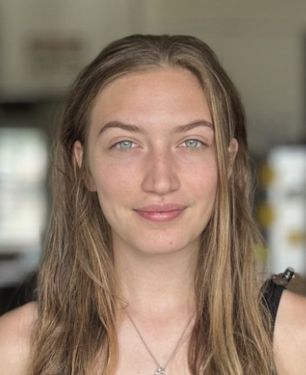
Theodora Reiter (A25)
Bunker Hill Community College, Boston, MA
Principles of Psychology or Group Dynamics"The classrooms I am in now center themselves around an entirely different set of values... [T]hese summer courses helped me transition into an academic environment outside of St. John's College."
-
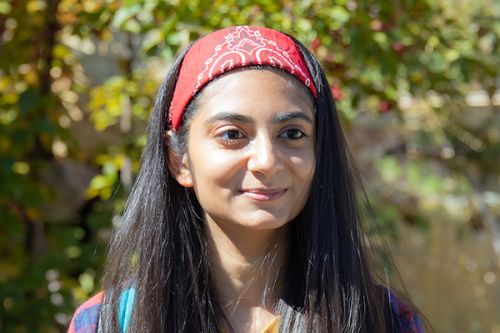
Kashvi Khanna (SF23)
University of Michigan
Course: Social Psychology“I am very interested in the practical interactions between psychology and society as a whole.”
-
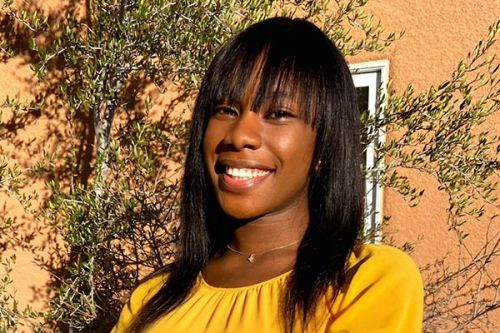
Chinazor Ike-Njoku (SF23)
Harvard University
Course: Introduction to Psychology“I learned a lot about myself, the human brain, general human tendencies, and the power of forming healthy habits.”
-
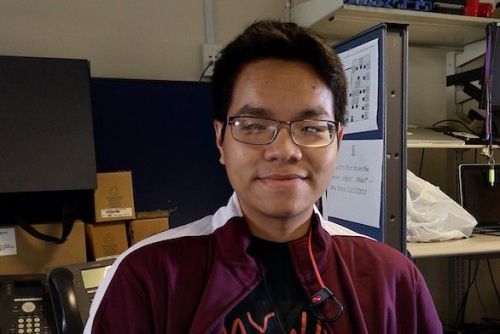
Bao Le (A21)
Texas A&M University’s WorthyLab
Intern“The internship was tremendously helpful in introducing me to modern scientific research and provided me with the new skillset of statistical analysis and computing.”
-
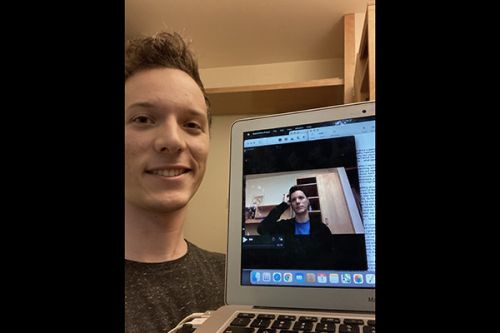
Samuel Berrettini (A21)
Point Park University, Pittsburgh, Pennsylvania
Research Assistant“Dr. Robbins ended up being thrilled with my draft of the proposal, and since I had such a hand in the conception of this study, he put me down as a co-author!”
-
-
Humanities
-
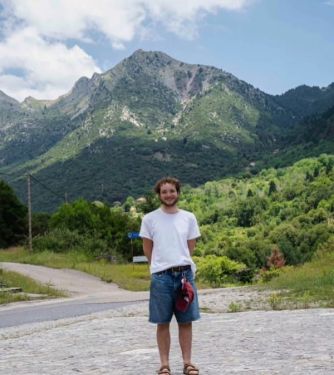
James Weiss (A28)
Poretsou Monastery, Agrampela, Greece
Intern"The permaculture work called on something close to the kind of analysis we often practice in class, having to figure out concepts through trial, error[,] and lots of conversation. I found myself relying on the same tools people must have relied on before reference books and search engines existed: careful observation, the senses, and discussion with the people around me."
-
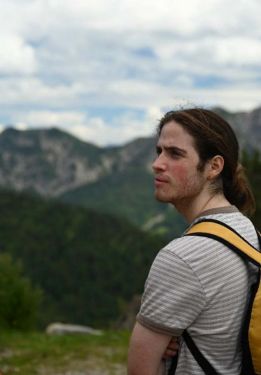
Avi Pope (A26)
European Alpine Academy, Ettal, Germany
Linguistics & Ecology"We would cook together, eat together, hike together, and think together. Just like at St. John's College, learning wasn't only in the classroom. The program emphasized this idea with our peripatetic learning (and living: we would constantly move throughout Bavaria, staying in different places) that was never even done in a classroom in the first place."
-
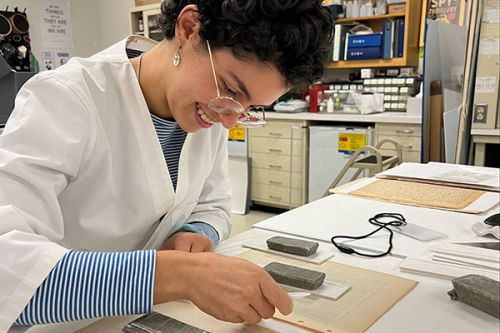
Sophie Frankel (SF25)
Conservation Department, Smithsonian National Museum of American History
Intern"Working in the paper lab allowed me to apply the precision and thought processes I’ve developed at the St. John’s lab program."
-
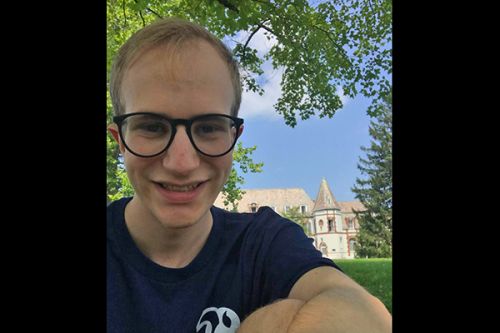
Ogden Berry (SF24)
Middlebury Language Schools
Course: French“Living in language was truly the best part of the experience. I played badminton, attended lectures, and sung in a choir, all in French.”
-

Lysithia Page (A23)
University of California, Berkeley
Course: Greek Workshop“For ten weeks, Greek consumed my life. Never before had I launched such a deep exploration into a single discipline.”
-
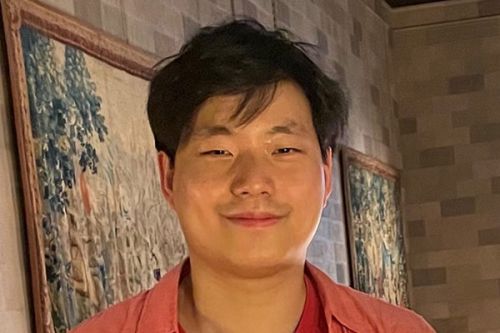
Daniel Han (A22)
University of Notre Dame
Course: Augustine: Life and Sermons“This was a wonderful learning experience, because it combined the St. John’s discussion-based learning style with the focus on a particular topic and author.”
-
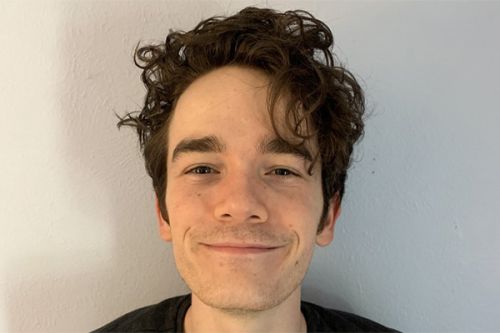
Bennett Scott (SF21)
University of Michigan
Course: Japanese“I was much more prepared than my peers for the ‘wilderness’ of language: going beyond the textbook to try out grammatical constructs in new ways.”
-
Internships and Fellowships
Profile of Daniel Kim (A26)
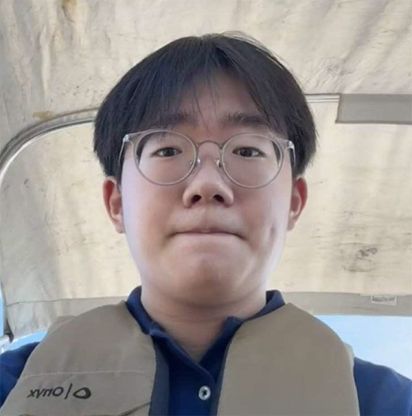
Institution & Position
NOAA, Office of Habitat Conservation, Silver Spring, MD
Research Intern
Experience
Daniel Kim (A26) interned with the National Oceanic and Atmospheric Association in the Habitat Protection Division under the Office of Habitat Conservation. He supported developing the Fish Passage Guidelines, a technical guide for engineers and designers to implement fish passage at dams and other barriers. One of his main project was to research and collect data on over 20 species of diadromous fish, which is necessary in creating biological information plates that could help regional fish passage development. He also wrote Section 508-compliant alternative text for images and figures in the guidelines document to improve accessibility and readability. Through his internship, he was able to strengthen his research and professional communication skills while gaining insight to how government agencies collaborate on environmental conservation. "As a part of my work, I was able to attend a field visit and assist with an aquatic vegetation survey. Being on the water to conduct tests and collect samples made me realize I want to pursue science after graduating," he says. "After this realization, I asked to meet with my mentors and learn about their professional journeys. Through these discussions with my supervisors and mentors, I was able to begin planning for post-graduate options such as graduate school. I am truly grateful for this opportunity, for the skills that I was able to develop and a new confidence in my success after graduation."
Profile of Jungbin Moon (A26)
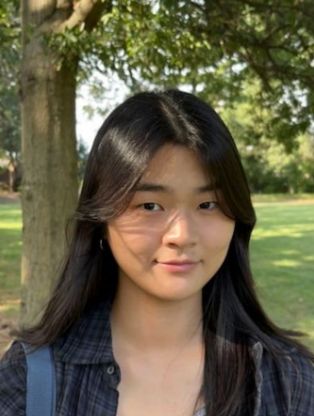
Institution & Position
NOAA, Office of Coastal Management, Silver Spring, MD
Research Intern
Experience
Jungbin Moon (A26) worked as a reseach intern at National Oceanic and Atmospheric Association (NOAA) in the Socioeconomics Team under the Office of Coastal Management. As her main project, she conducted a self-designed literature review on the relationship between nature exposure and mental health, reviewing over 100 scientific acticles and presenting potential directions for future research. She also analyzed i-Tree Canopy Assessment tools for estimation of the benefits of expanding and protecting tree canopy in specific coastal communities, while reviewing a technical report on fishing regulations in California National Marine Sanctuaries and learning how to prioritize and present relevant demographic data in coastal flood risk mapping tools. "[T]his summer has given me a language to translate my interest which I often struggle to put into words... I told my supervisors at our very first meeting that I was always interested in things that are in between, and that I want to find a way to weave my interests in sociology and environmental science together," she says. "While reading many research articles and scientific literature, I discovered that I was spending lots of time thinking about the relationship among individual's socioeconomic status, sociodemoraphic characteristics, and exposure to nature. Now I understand that environmental justice or humanities partly explains what I most care about, although I still have more questions that have now become more centered and defined than before."
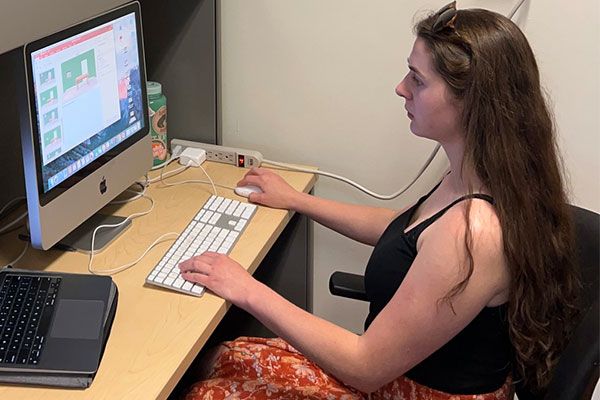
Profile of Zohar Na’aman (SF24)
Institution & Field of Study
Language, Development, and Cognition Lab, Colorado University-Boulder
Intern
Experience
Zohar Na’aman (SF24) worked in the Language, Development, and Cognition Lab at Colorado University-Boulder, where she piloted a study on the vowel quality of maternal speech towards children. One of her most significant contributions was the execution of the study’s experiment design. She also conducted data analysis and received certification to work with personally identifiable information (PII) and data from human subjects. “My summer internship at CU-Boulder helped solidify my desire to study linguistics, which I view as the intersection between the humanities and science,” Na’aman says. “My supervisors talked with me frankly about my career path options and gave their insight as university faculty into CU-Boulder’s master’s and PhD programs. Under their guidance, I was given the opportunity to connect with other linguistics professors at CU-Boulder to ask them questions and make important connections within the field. I can now look at my future after St. John’s, especially with respect to graduate school, with anticipation rather than trepidation because I received vital career experience and insight into real research at an academic institution.”
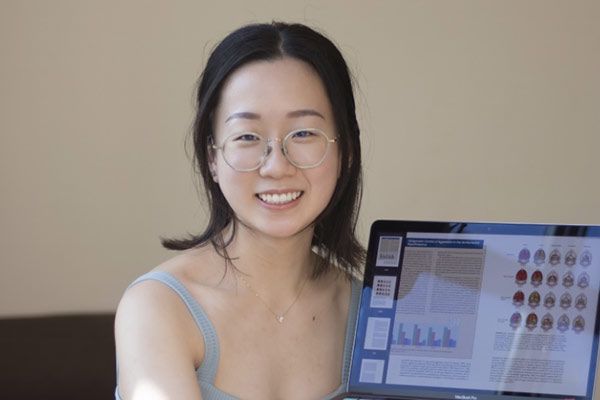
Profile of Tong “Cynthia” Wu (A23)
Institution & Field of Study
Johns Hopkins University
Course: Behavioral Endocrinology
Experience
Before enrolling in a Johns Hopkins course on behavioral endocrinology, Tong “Cynthia” Wu (A23) wasn’t sure whether she was more interested in research or theory. She was challenged and excited by the upper-level class, which focused on the interaction of hormones and neurotransmitters, exploring the ways that the endocrine system influences behavior and vice versa. Upon completing it, Wu felt more inclined toward research—specifically in the area of animal behavior. She recommends the Johns Hopkins course to fellow Johnnies as a way to complement the distinctive approach their own college takes to science education. “Sometimes students might not have a full understanding of how these classes are operated in other universities," she says. "Pathways offers a great opportunity to have a glimpse of the world and become familiar with modern research technologies.”
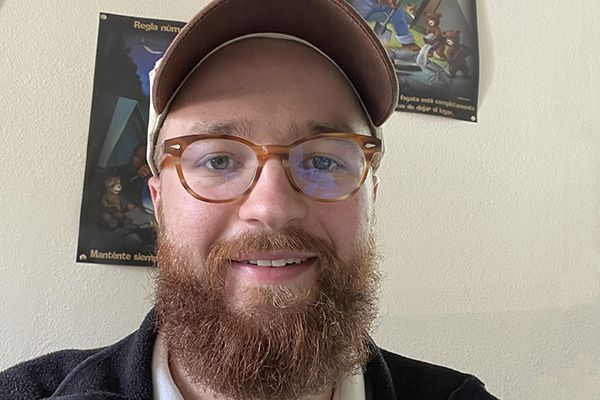
Profile of David Michalove (SF22)
Institution & Field of Study
Unity College, New Gloucester, ME
Course: Environmental GIS
Experience
David Michalove began his summer with the intention of attending the online course Environmental Geographic Information Systems (GIS) from Unity College, an environmental studies school in Maine. A broad tool often used to create maps that tell a story by presenting and analyzing historic data, GIS can be applied to various areas of public land management, including wildfire visualization. Due to some last-minute technicalities regarding prerequisites, however, Michalove ended up taking a class on the foundations of climate change. This course, he says, “required a significant amount of research papers on various climate change facets, as well as various presentations and large cumulative projects” and from his point of view “did a good job teaching how to synthesize scientific research about climate change through scholarly articles and how to place them in their theoretical and conceptual context.” Despite the course content not being exactly what he expected, Michalove was grateful to hone his research skills on a subject that touches many aspects of his life.
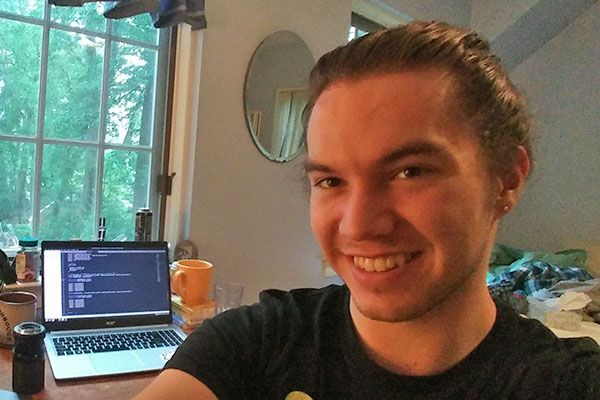
Profile of Raphael Rose (A22)
Institution & Position
NASA Goddard Space Flight Center, Gravitational Astrophysics Lab
Intern
Experience
In Raphael Rose’s (A22) internship at NASA Goddard Space Flight Center, he learned linear algebra, numerical approximation, and solutions to Einstein’s field equations. “Once I got the basic concepts down I was ready to code them,” he says. “The primary goal was to approximate a numerical relativity simulation of a black hole into a set of coefficients. The success of the project depended on whether an event horizon could be discerned after reconstruction.” Rose’s mentor was very helpful in breaking down problems, and he and Rose developed a friendly and supportive relationship. Though Rose doesn’t plan to pursue coding in the future, he enjoyed NASA’s workplace environment and became aware of other avenues for his natural facility for working with machines, including quantum optics. “I also learned about a section of the European Space Agency [that] works directly on fundamental theory, which sounds very interesting to study,” he adds.
Profile of Tergel Tuvshinjargal (A22)

Institution & Field of Study
University of California, Berkeley
Course: Linear Algebra and Differential Equations
Experience
When Tergel Tuvshinjargal (A22) took a junior-year preceptorial on Dedekind’s essay “The Theory of Numbers,” his mind teemed with questions. He put them aside temporarily, but they later resurfaced when he took an eight-week online UC Berkeley course, Linear Algebra and Differential Equations. “It was quite fascinating to learn the present end of the path which was first laid down by Dedekind,” he says. Though Tuvshinjargal found that the class’s instructional mode diverged quite a bit from the St. John’s Program method, he “was still able to pose the same questions and trace them back to what I thought and discussed at the seminar table.” Dedekind’s theorem of complete induction was applied frequently in the summer course, and for Tuvshinjargal “it was the most fortunate coincidence that I took that preceptorial and witnessed what I learned there in its present state.” He was also grateful to have completed a prerequisite for graduate-level math, a necessary step if he chooses to pursue that path.
Profile of Sandrina Mislitchi (SF22)
Institution & Position
University of Chicago
Research Assistant
Experience
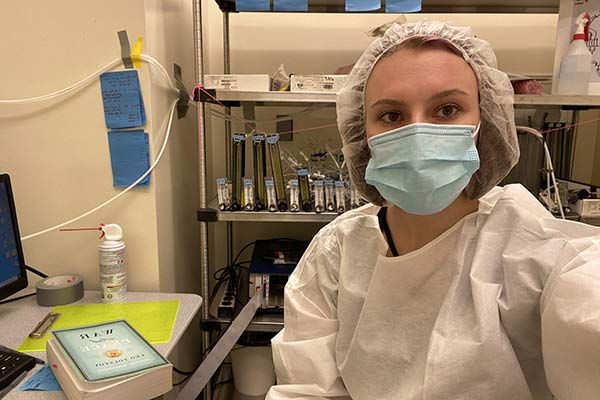
Sandrina Mislitchi (SF22) performed behavioral and electrophysiological experiments with Sprague Dawley rats at Kay Lab, run by Leslie Kay (SF82), at the University of Chicago’s Institute for Mind and Biology, which studies the neurophysiology of olfactory and limbic systems. “I always wanted to understand how animals perceive their environment,” says Mislitchi, who prepped for her internship by taking online University of Chicago courses in statistics and computer science. St. John’s gave her a wealth of reference points for navigating unfamiliar material, allowing her to adapt to a new and challenging work environment. After graduation, she plans to pursue a career in neuroscience. “I have gained skills—running behavioral experiments, handling lab animals, collecting and analyzing behavioral and electrophysiological data—that will help me on this track,” Mislitchi says. “Attending weekly study groups and lab meetings has enhanced my theoretical knowledge of the nervous system and my ability to efficiently read research papers.”
Employer Testimonial
University of Chicago, Institute of Mind & Biology
Leslie Kay, Professor of Psychology & Mentor
“Sandrina did an excellent job this summer and she shows great promise for the future... Her work this summer has earned her co-authorship of a report that will be presented at the Society for Neuroscience meeting this fall. The graduate student she worked with speaks very highly of her work this summer.”
Profile of Genevieve DeMajistre (A22)

Institution & Position
Smithsonian Environmental Research Center (SERC)
Intern
Experience
Genevieve DeMajistre’s (A22) internship with the Smithsonian Environmental Research Center (SERC) was conducted both online and in person. Her assigned project primarily involved data analysis, and the remote aspect made it easy for her to attend mandatory seminars and optional coding workshops. While physically present, she assisted colleagues with a range of projects, including measuring the heights and widths of specific plant species to calculate biomass across varying conditions during the growing season. DeMajistre’s St. John’s education prepared her well for the experience. “Comprehending the research papers was much like reading the documents from lab,” she says. “After so much critical reading it was easier to identify what was important, what I needed to be able to define, [and] the consequences of what was being said.” She was drawn to the internship for data analysis, but her interest has since broadened to include setting up experiments, constructing their sites, and collecting data.
Profile of Tang Li (SF21)
Institution & Position
University of Chicago
Research Assistant
Experience
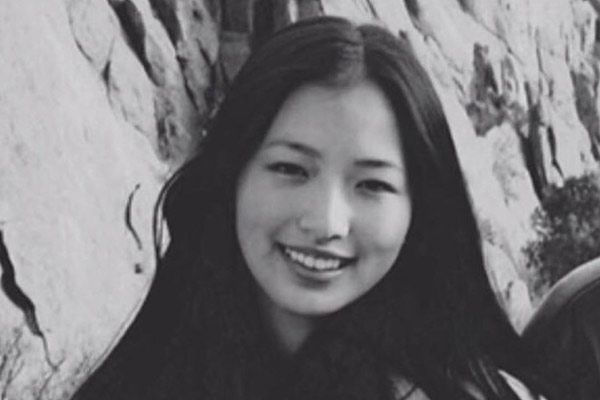
While interning at the University of Chicago’s Human Behavioral Pharmacology Lab, Tang Li (SF21) investigated the effects on human volunteers of psychoactive drugs, including methamphetamine, MDMA, THC, and LSD. Li wants to work as an addiction therapist, and at the lab she learned about psychopharmacology, performed electroencephalography (EEG) experiments, practiced data analysis, and became familiar with the design of human behavioral pharmacology studies. Reference points from her St. John’s education proved invaluable; she was quick to ask questions when faced with unfamiliar concepts, and she often used writing as a tool to double-check her understanding of those concepts. She also found the principal investigator of the lab, Dr. Harriet de Wit, to be “not only a great scientist but also an excellent mentor.” Li characterizes the internship as an experience of “much personal and professional growth” and made plans to work for Dr. de Wit after the summer ended.
Profile of Sohyeon Jung (SF21)
Institution & Field of Study
Central New Mexico College, Albuquerque, NM
Course: Data Science Bootcamp
Experience
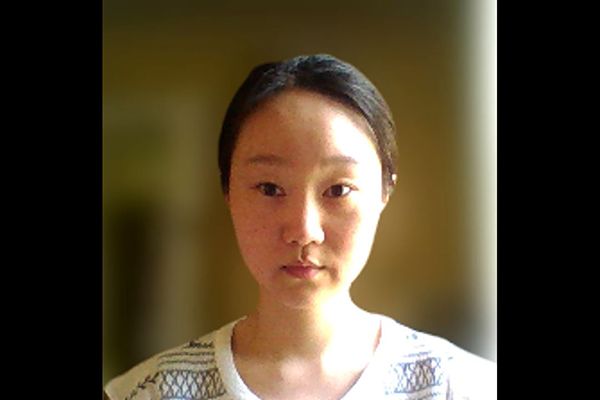
Sohyeon Jung (SF21) took an online data science bootcamp course from CNM Ingenuity, a sub-program established by Central New Mexico Community College to help create a skilled workforce. In addition to statistics lectures and exercises, the curriculum entailed six hands-on assignments and a final capstone project. “Since the course is not a math course, in-depth statistics study is not structured,” she says. “Still, my instructor majored in statistics, so I was always able to ask more questions and get responses.” For Jung’s capstone project, she compiled customer data from the private loan company Lending Club to predict customers’ payoff or default status when they requested applications. She and her capstone project teammate presented their final project not only to CNM staff but also to people working in the data science field, including developers and HR managers. “I was very successful in both presenting my project clearly and suggesting meaningful analysis about the Lending Club data,” says Jung.
Profile of August Bellanca (A27)
Institution & Position
Copeland Taylor Harpell, LLC, Wilmington, DE
Intern
Experience
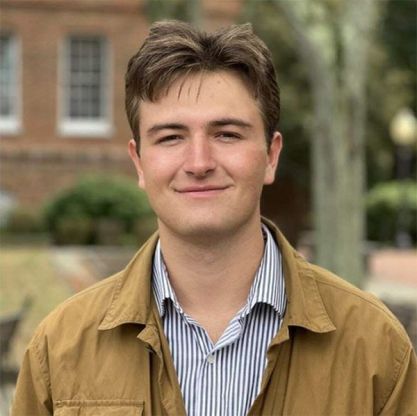
August Bellanca (A27) worked with longstanding Delaware attorney Andrew Taylor at the Copeland, Taylor, Harpell firm, where he researched a wide range of legal topics and contributed to Taylor's professional research library. He also connected with other attorneys to discuss their work and professional experiences, while shadowing Taylor at legislative committee meetings concerning housing law in Delaware. Through these experiences, he gained "an abundance of guidance regarding what it means to be a lawyer, how to learn the law successfully, and how to be excellent at your role in the legal community," with a deeper understanding of legal practice and the philosophical and ethical ideas underlying the law. "If it were not for the work I did at St. John's, I do not think I would have been able to draw as much from this summer as I would have been able to otherwise," he says. "Thanks to my education at St. John's, I came into the summer equipped with the skills necessary to engage with the law [and came] out of the summer with significantly more substance added to my career of interest and an advanced desire to understand the material of that profession."
Profile of Nicholas Hoo (A26)
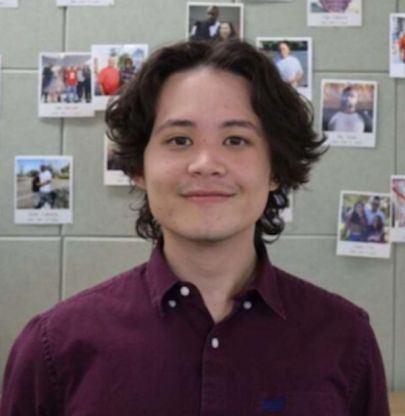
Institution & Position
For the People, Oakland, CA
Intern
Experience
Nicholas Hoo (A26) completed his second internship at For The People, a legal nonprofit that advances the use of prosecutor-initiated resentencing. He supported multiple departments by organizing internal documentation, researching state prison systems to inform the organization's expansion strategy, and assisting with HR hiring process and compliance audits. His role also entailed coordinating corporate events, leading team meetings, preparing a weekly newsletter on criminal justice for staff, and managing the onboarding of administrative interns. "For most of my projects, I was responsible for designing my own workflows. I was asked not only to complete my immediate tasks but also to establish the most efficient method for their future repetition. This would not have been possible without the analysis, critical thinking, and dialectical skills I gained from the college's discussion-based environments," he says. "This summer, like my first internship at For The People, will forever and invaluably serve my professional development. I am forever grateful to For The People, St. John's College, and the Internship Funding Program for granting me this opportunity."
Profile of James Dormer (A24)
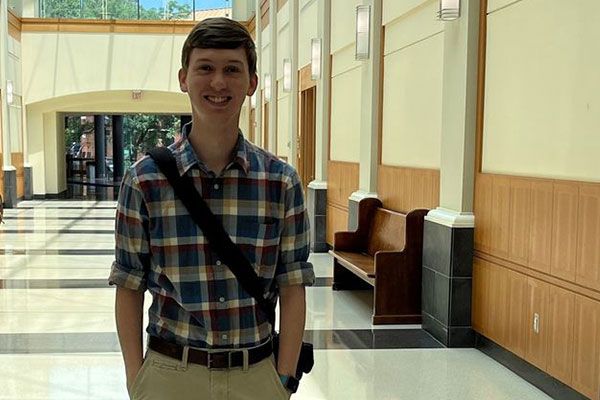
Institution & Field of Study
Anne Arundel County State’s Attorney’s Office for Maryland
Intern
Experience
James Dormer (A24) served as part of the Anne Arundel State’s Attorney’s Office’s support staff, sorting through a wide variety of old cases and deciding what must be kept for the office records—both paper and digital—and what could be disposed of to clear space for future cases. By spending time with these various files, he became familiar with the sort of work a prosecutor puts into preparing a case. He also had the opportunity to sit in on court proceedings, including one criminal bench trial, one civil jury trial, and part of a criminal jury trial, as well as three judge panels and many sentencings, hearings, motions, and pleas. “While most of my time was spent with either juvenile misdemeanors or old adult felonies from over 15 years ago, I was able to work on two cases that were much larger than others,” Dormer says. “These were far more complex and thornier, and took nearly a week each to sort through, scan, and organize for our file room. This is where I could tell that the education I’ve received at St. John’s served me well: I needed to quickly read several thousand pages of documents and comprehend not only what they were saying, but how they fit into the bigger picture of the case as a whole. And St. John’s has taught me how to read things with a careful eye without sacrificing speed. It was not unlike a reading for lab or math class, where I’d be getting only a part of the whole answer and I need to determine how it connects to previous readings, as well as predict what could follow from it.”
Profile of Tessa Wild (A23)
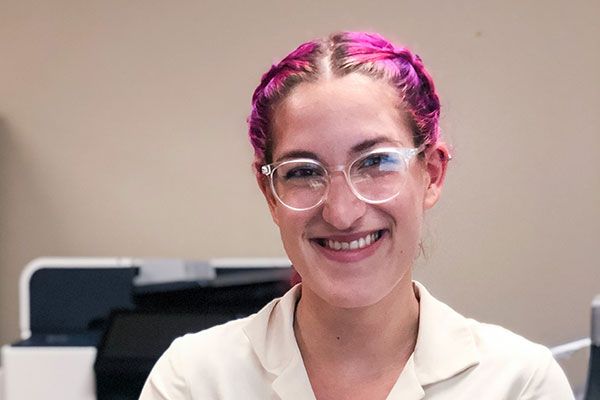
Institution & Position
Maryland Office of Public Defense, Annapolis, MD
Intern
Experience
For almost two months Tessa Wild (A23) interned in person at the Maryland Office of Public Defense in Annapolis, assisting a team of lawyers with preparing files, interviewing clients and witnesses, attending trials and taking notes, and handling administrative legal tasks, such as updating data. She describes the lawyers she worked with as “considerate, driven, and highly ethical people, [who] were always jovial and kind despite a difficult caseload” and says that the internship solidified her academic and career goals. “I can really see myself working in law in some capacity or another, and I can only imagine that law school, though challenging, will present the same opportunities for examining the fascinating and relevant issues which I was able to examine during this internship,” says Wild. She also feels confident that the personal connections she made over the summer will yield excellent references in the future.
Profile of Zhansaya Kuatzhan (SF22)
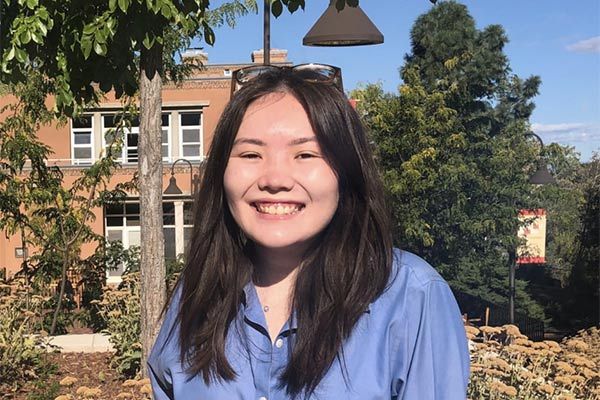
Institution & Position
Hinkle Shanor LLP, Santa Fe, NM
Litigation Assistant
Experience
Zhansaya Kuatzhan (SF22) completed an internship New Mexico firm Hinkle Shanor LLP, which has offices in Santa Fe, Albuquerque, and Roswell and covers a range of legal subsets, from natural resource to business law. Over the course of the summer, she worked on a divorce case and a lawsuit involving a helicopter company, as well as engaging in small legal research projects, writing numerous summaries and memos, creating PowerPoint presentations for hearings, and even drafting a statement of facts to be read by the New Mexico Supreme Court. “Thanks to the level of independence one develops at [St. John’s], I was able to manage my time well and complete my assignments on time,” says Kuatzhan, who views her experience at Hinkle Shanor as “an essential part of my professional growth and future career in law” and is “excited by the prospect of working in similar settings after I graduate.”
Profile of Georgenia Nkwocha (SF22)

Institution & Field of Study
Harvard University
Course: Introduction to Law and Contemporary Debates
Experience
Georgenia Nkwocha’s (SF22) interest in law stemmed from a childhood in Lagos, Nigeria, where she witnessed abuse of the law by those who were charged with enforcing it; from a young age she knew she wanted to defend victims of crime. Condensing a semester’s worth of material into three weeks, the Harvard course Introduction to Law and Contemporary Debates explored the definition of law and its relationship to morals and society. In addition to reading legal philosophy and opinions on cases, Nkwocha learned how to make oral and written arguments by role-playing justices and judges, with “the same kind meticulousness that the Johnnie Program demands.” The diversity of her fellow attendees, who were from Poland, China, France, India, and the UK (among other countries), brought valuable perspectives on the US legal system. “We were able to learn, argue, and analyze cases strongly due to the very competitive and determined student body and the ever-resilient teaching body,” Nkwocha says.
Profile of Jameson Marshall (A20)
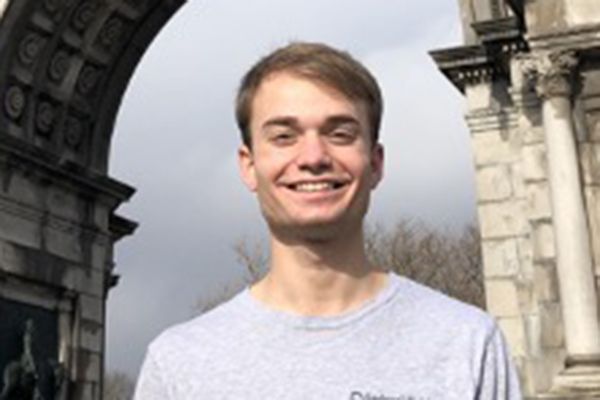
Institution & Position
Office of the Federal Public Defender Service, District of Maryland, Baltimore
Intern
Experience
As an intern at the Maryland District’s Office of the Federal Public Defender, in Baltimore, Jameson Marshall (A20) supported investigators and attorneys in preparing for case trials, a process that included finding, requesting, and analyzing records. Inspired by a desire to balance the scales of inequality faced by those accused of crimes, he was excited to learn about the history of public defense and its place in the U.S. justice system. “Public defenders are at both a monetary and procedural disadvantage to prosecutors,” Marshall says. “The perfect metaphor for this advantage is that in court the prosecution sits nearer to the jury, because the prosecution is meant to represent ‘the people.’ But people are innocent until proven guilty, and people accused of crimes should have access to quality legal defense.” After completing his internship, he went on to apply for investigator and paralegal positions at public defenders offices and legal nonprofits.
Profile of El-ad Nichols-Kaufman (A25)
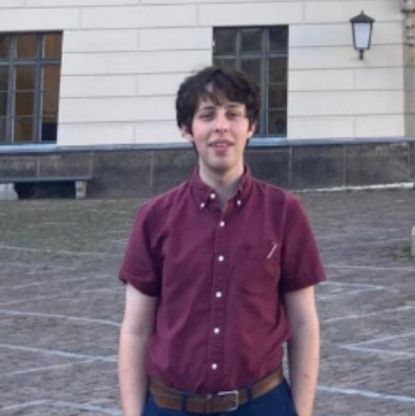
Institution & Field of Study
Humboldt University, Berlin, Germany
Planning Urban Neighborhoods in Transition—The Case of Berlin
Experience
El-ad Nichols-Kaufman (A25) spent his summer in Berlin, Germany, studying urban planning at Humboldt University with students from international backgrounds. Through readings and discussion on housing policy, urban development, and planning challenges in Berlin, he explored how different social, political, and geographic contexts shape approaches to urban planning. The program also introduced him to diverse academic methodologies and perspectives from geography, political science, and planning research. "[This internship] helped me realize that although the impact of planning on different communities can vary greatly, it is still tangible everywhere in the world," he says. "In my previous internships, I had grown disillusioned with bureaucratic aspects of planning and frustrated with some of the deadlock in which local planning departments find themselves. In this class, I met planners who are studying the most important problems cities are facing, from housing affordability to aging transit infrastructure, and coming up with creative solutions, [who] were passionate about the same things I was... Talking with them renewed my commitment to proceed in the planning world and bring whatever help I can to the process of improving the spaces in which we spend our lives."
Profile of Henry Zheng (A24)
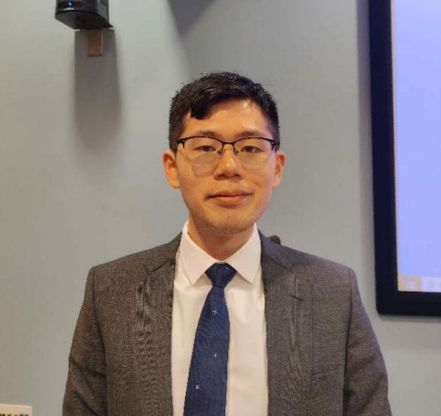
Institution & Position
United States Department of Agriculture, Animal and Health Inspection Service (USDA-APHIS), Washington, D.C.
Intern
Experience
Henry Zheng (A24) participated in the Conference of Asian-Pacific American Leadership Internship Program, working with the U.S. Department of Agriculture, Animal and Health Inspection Service (USDA-APHIS). As an intern with the National Animal Disease Traceability and Veterinary Accreditation Center (NADTVAC), he supported the Veterinary Services Strategy and Policy Team by coordinating special projects, improving policy processes related to animal health and trade, maintaining program tools, preparing reports, and reviewing veterinary training modules. Through this internship, he was able to learn about government operations and develop connections with the professionals in the government sectors, while looking back at his education at St. John's and asking "what it means to begin a conversation on modern policies, politics, and government while tracing back political and philosophical historians such as Thucydides and Tocqueville." "Having this experience," he says, "could help me develop more relationships with the government, organizations, and companies across the globe while improving the skills necessary for future employment."
Profile of Conor Flynn (A22)
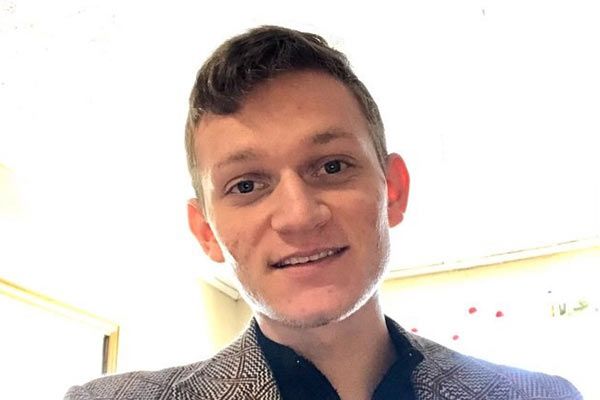
Institution & Position
International Rescue Committee, Baltimore, MD
Intern
Experience
Conor Flynn (A22) served as a remote intern for the International Rescue Committee’s (IRC) immigration legal services program, he worked with the U.S. Department of Justice–accredited representatives to help prepare citizenship applications for refugees from countries including Syria, Thailand, Myanmar, Ethiopia, and Sudan. Flynn was particularly inspired by a staff meeting featuring a segment on adult education (an important component of resettling displaced people), in which a colleague noted that the best approach to adult education is one of “co-participation.” Flynn describes the term as “a non-hierarchical expounding or ‘teaching’ of information,” adding, “This is remarkably similar to the style of our own learning at St. John’s.” The connection made him appreciate the richness not only of the St. John’s Program but also of social and humanitarian work in general. “I have realized that pursuing a role in the humanitarian sector is a viable option for me,” he says. “I will continue to search out opportunities to see if I can contribute to a kinder world.”
Profile of Ray Matsumoto (A22)
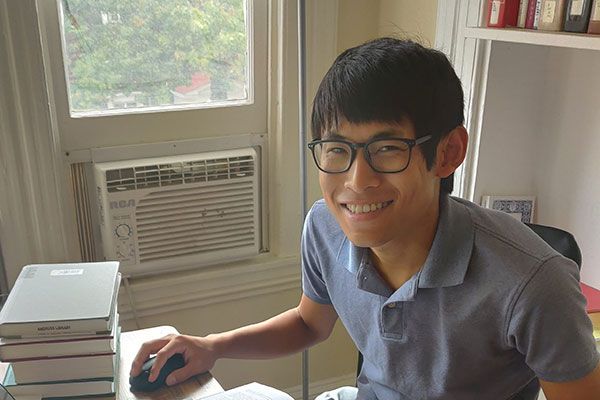
Institution & Field of Study
Pacific Atrocities Education, San Francisco, California
Experience
Ray Matsumoto (A22) interned remotely at Pacific Atrocities Education in San Francisco, where he co-authored a publication entitled “A Clash of Empires at Pearl Harbor: How Nanshinron, Japanese Nationalism and Militarism Exacerbated the Imperialization of Asia.” Born and raised in Japan by Japanese parents, Matsumoto attended an international school where he learned about World War II, but that subject, he says, “is absent in most Japanese curriculums.” He was especially curious about the lives of Japanese soldiers, and he used primary and secondary texts to research the history of modern Japan. “I treated each text similarly to how I would for a class at St. John’s,” Matsumoto says. “Questions concerning cause and effect were most central in the process, [and] I would wait to read different texts to form a solid view of a historical event or figure.” Collaborating long-distance didn’t stop him from honing practical skills, and the organization’s historian assisted with everything from research and writing to formatting and notation.
Profile of Levan Kiladze (A22)
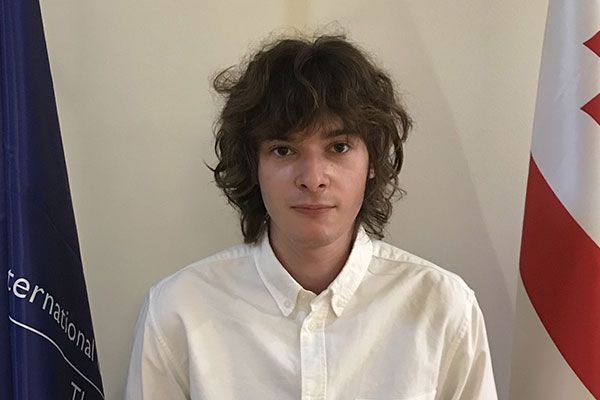
Institution & Position
International Organization for Migration (IOM), Tbilisi, Georgia
Intern
Experience
Levan Kiladze’s (A22) internship at the International Organization for Migration (IOM), Tbilisi, Georgia, entailed working with both the organization’s media and communications officer and with EMERGE, an anti-xenophobia project promoting migrants’ rights. For the former, he helped create press releases as well informational material to raise awareness and promote activities around World Anti-Trafficking Day. For the latter, he and EMERGE’s project manager interviewed members of each of IOM’s departments to learn about recent projects in border management, human trafficking and smuggling, labor migration, migrant protection, and health. Kiladze also updated the organization’s website, designed its biannual newsletter, and prepped, analyzed, and archived training materials. Upon completing his internship, he says, “I am more confident that after getting a master’s degree in international relations, humanitarian action, or social sciences, I would like to work with an international organization as a consultant, a researcher, or a project manager.”
Profile of Sylvaine Bucher (SF21)
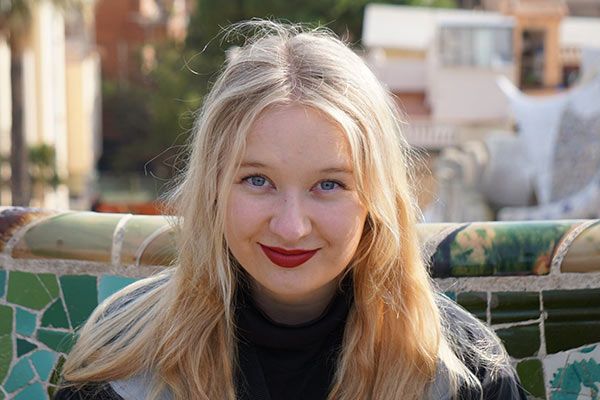
Institution & Position
The Borgen Project, Tacoma, WA
Intern
Experience
Sylvaine Bucher (SF21) served as a remote HR intern at The Borgen Project, a nonprofit working to end poverty and hunger by educating and mobilizing citizens to communicate with their government and by collaborating with U.S. Congressional leaders to garner political support for global food security, maternal and neonatal health, and access to clean water and sanitation. Bucher built community awareness through local advocacy, contacted her political leaders biweekly, and developed a personal fundraising campaign, all while learning the basics of the HR, from management, recruiting, and selection to staff training and development. “Doing what we are passionate about, dedicating our work to the common good, learning new skills, reflecting on the choices we make about our careers, finding out about our character strengths and weaknesses, applying our values and virtues to real work—this was my internship,” says Bucher, who began a master’s degree in public administration after the summer ended.
Profile of Talia Levy (A28)

Institution & Position
PYF Studio, Manassas, VA
Operations and Marketing Intern
Experience
Talia Levy (A28) interned at PYF Studio, a newly opened Pilates studio, where she worked closely with the owner on marketing, operations, and business development. Her responsibilities included developing marketing materials, creating social media content, promoting events, and improving the studio's website and the internal systems and processes. One of her main projects was to develop custom AI tools by connecting Claude with Arketa, the studio's management platform, to help the owner better interpret business reports and identify important trends. Through the internship, she was able to gain hands-on experience with small business management and learn how to prioritize projects and develop practical solutions by herself. "I discovered that I really enjoy examining how a business works as a whole, finding inefficiencies, and building systems that can save an owner time. I especially liked being able to see a direct connection between something I created and the time or effort it could save Traci [the owner]," she says. "Working in a small business made that impact especially visible."
Profile of Leah March (SF23)
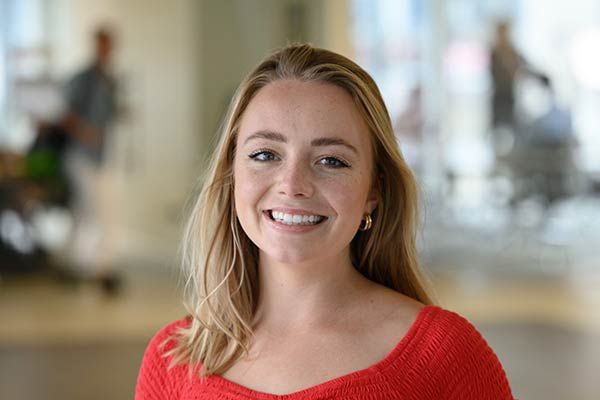
Institution & Field of Study
London School of Economics
Course: The Wealth (and Poverty) of Nations: Global Economic Development Past and Present
Experience
Leah March (SF23) chose to take a class at the London School of Economics (LSE) not only for the institution’s international reputation, but also because of the wealth of economic history in the city itself; while there, she visited nearly every museum. The course addressed the origins and impact of the Industrial Revolution, covering a wide swath of global economic history from the Neolithic period to the technological revolution, as well as speculation about the impact of AI and climate change on the future of labor markets. St. John’s prepared March well for the curriculum and gave her extra appreciation for the subject, because “at least part of the Industrial Revolution can be credited to the ideas of thinkers I have encountered in the St. John’s classroom.” She also became adept at analyzing different historical arguments and evaluating evidence. The LSE course, she says, “absolutely confirmed my interest in history and economics,” while providing clarity on her next steps.
Profile of Rei Osmani (A22)
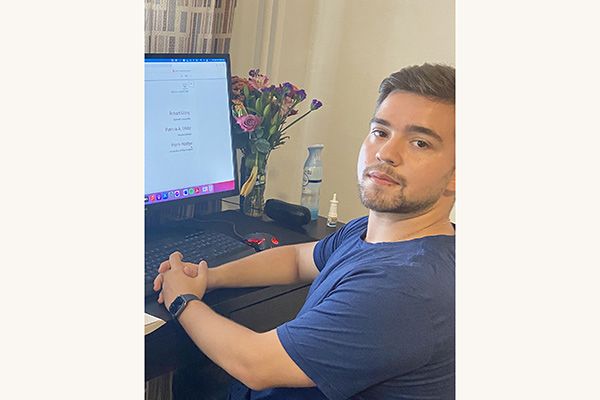
Institution & Field of Study
University of California, Berkeley
Course: Financial Accounting
Experience
Rei Osmani’s (A22) UC Berkeley online class in accounting was populated by students of varying ages from different walks of life, some of whom had been in the workforce for a while. This diversity gave Osmani a new lens through which to view accounting. Though he enjoyed the technical aspects of the subject, he found himself more inclined toward the managerial. With its focus on textbook learning and lecture formats, the class represented a departure from the discussion-based Johnnie approach to education, and quick adaption was a challenge. “Nonetheless,” he says, “at St. John’s we are encouraged to keep an open mind and analyze and systemize processes. Therefore, things became much easier to comprehend later on.” He’d recommend the program, or something similar, to fellow students who are “trying to advance in the business world or get a better perspective on how that environment will be.”
Profile of Cora Clark (A21)
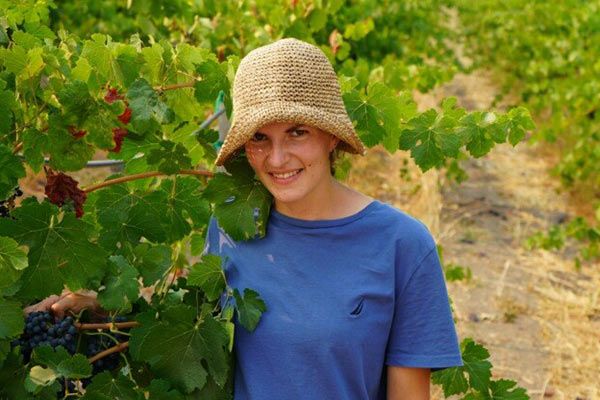
Institution & Position
Duckhorn Portfolio, St. Helena, California
Intern
Experience
In Cora Clark’s (A23) internship in the viticulture department at the Napa Valley wine company Duckhorn Portfolio, she liaised between winemakers and the vineyards, where she collected data and assessed the state of vines for harvest and replanting. “Everything I did was with ‘ear and eye,’ without the use of aerial technology or big industry machinery,” she says. “Napa Valley wineries believe that big machinery and technological short-cuts ruin the delicacy of the grapes and cut corners on the precision and care that should go into making fine wine.” Clark’s aim for the summer was to pursue her interest in agriculture and discover how it can fit into a career path—and she did exactly that, while also “witness[ing] firsthand the important place that hands-on work and observation plays in the agricultural process of a fine product,” she says. Clark ultimately realized, however, that she doesn’t want to pursue winemaking and instead plans to attend graduate school.
Profile of Esteban (Joaquin) Gamarra Jordan (SF21)
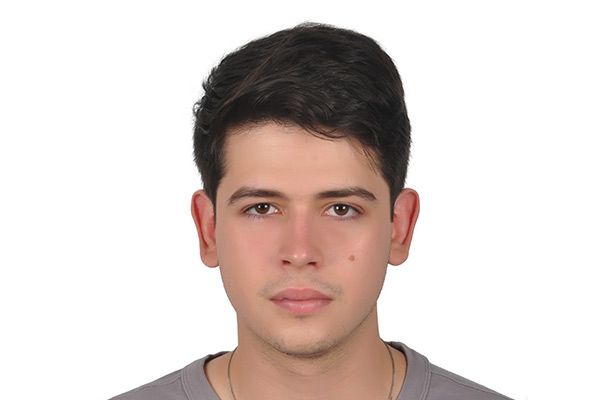
Institution & Field of Study
Bocconi University, Milan, Italy
Course: Digital Marketing
Experience
Esteban (Joaquin) Gamarra Jordan (SF21) took a four-week online introduction to digital marketing at Bocconi University, where he learned about fundamental concepts including customer journey, customer value, and consumer behavior, as well as branding, micro-targeting, and re-targeting, while also becoming familiar with digital platform channels. As a Johnnie, he felt confident in his ability to tackle the material presented, and the course’s online aspect caused minimal friction to the learning process. “Before finishing my four years at St. John’s, I was still unsure about the kind of professional path I wanted to take,” he says, adding that an interest in marketing led him to “test the waters” at the Bocconi class. Fortunately, it “ended up being a perfect fit.”
Profile of Karl Magalhaes (A27)
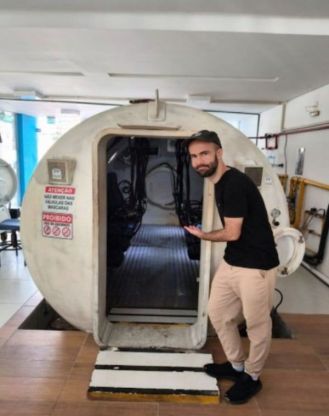
Institution & Position
UNIAD, Recife, PE, Brazil
Intern
Experience
Karl Magalhaes (A27) worked as a research intern at UNIAD, a clinic specializing in hyperbaric oxygen therapy, where he studied the physiological effects of the treatment and the pathophysiology of lipedema. His primary project was to design and lead a clinical study examining hyperbaric oxygen therapy as an adjunctive treatment for lipedema. He reviewed medical literature, developed a 26-page research protocol, designed data collection procedures, and prepared informed consent forms and other documentation required for ethical approval. Through discussions with physicians and hands-on experience with clinical research, he could learn both the scientific and regulatory challenges of developing medical treatments. "Treatment sessions are scheduled tightly and the hyperbarics team works to a fixed routine, while the research side moves slowly and depends on approvals, forms, and other people's calendars. Learning to hold both at once was one of the practical lessons of the internship," he says. "I recognize the value of a place small enough that I could move between the clinical floor and the literature, and where I was trusted to own a project from beginning to end rather than assist on someone else's... [C]linical research is a direction I intend to keep pursuing, and I would like to see this study through to publication[.]"
Profile of Caleb Briggs (A25)
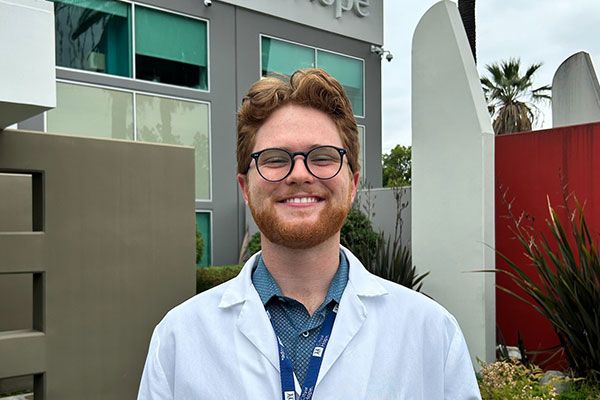
Institution & Field of Study
T-Cell Therapeutics Research Laboratory at the Beckman Research Institute of City of Hope
Intern
Experience
Caleb Briggs (A25) worked in the T-Cell Therapeutics Research Laboratories on experiments designed to study immunotherapy in the treatment of cancer, assisting in a project aimed at understanding how natural killer cells are suppressed in a patient with acute lymphoblastic leukemia. Throughout his internship he also learned basic molecular and biology laboratory skills including human cell culture, qPCR, mouse tissue isolation and processing, and isolation of mononuclear cells from peripheral blood of healthy donors and patients. “Learning how to read well and how to ask the right questions was a great help when I was reading multiple scientific papers a week and had no prior knowledge of medical science,” Briggs says. “Dealing with gray areas and ethical challenges was also easier thanks to previous experiences of wrestling with difficult questions in seminar and tutorials. My mentors were consistently impressed with my ability to retain information from reading and from conversation. I was encouraged to continue to think critically and logically all summer and now feel more excited and prepared to enter the field of medicine.”
Profile of Sydney Whitten (SF23)
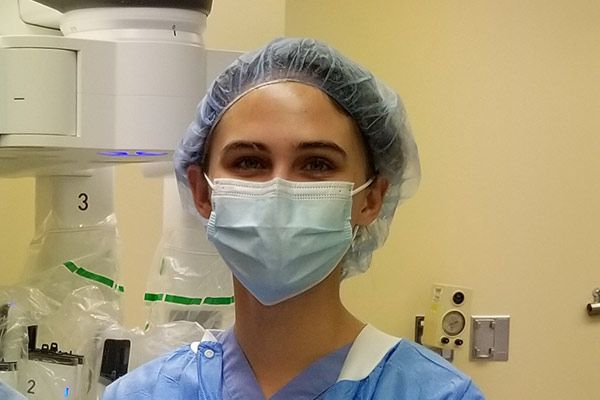
Institution & Position
Ascension St. Vincent Hospital, Indianapolis, Indiana
Intern
Experience
Sydney Whitten (SF23) had long considered a career in medicine, and during her privately arranged, individualized internship at Ascension St. Vincent Medical Group, she shadowed seven different doctors to gain a close-up view of the life of healthcare professionals. “I was able to witness the hard hours, difficult decisions, and life-changing work these wonderful individuals do every day,” she says. “I spent time in the office working with patients, as well as attending surgeries in the operating room, rounding on patients, taking call, and following on consults.” She also saw doctors rush from patient to patient and spend hours double-checking insurance billing codes. “Nothing could have prepared me for the exhaustion and frustration I faced every day,” says Whitten, who still maintains a passion for healthcare but realized that practicing medicine is not for her. Because she gained the practical knowledge she sought, she considers her summer internship “an absolute success.”
Profile of Apurva Sharma (A23)

Institution & Position
Nepal Mediciti Hospital, Kathmandu, Nepal
Intern
Experience
Apurva Sharma (A23) interned under Dr. Prakash Paudel at one of Nepal’s leading hospitals for neuroscience, where she shadowed physicians in consultations and daily rounds, entered data during out-patient consultancies, worked with other interns to create discharge reports, and attended weekly presentations, among other tasks. Her multidisciplinary St. John’s education inspired her to look at scientific topics from different points of view. “I kept being drawn to ask questions regarding the mind through a more spiritual lens and comparing that to the doctors’ technical idea of the brain,” she says. “Engaging in this sort of speculative dialogue only made me more inquisitive about how the human mind works.” Viewing CT scans and MRIs, Sharma says, “felt strange for some reason. Perhaps because I’ve been engaging in the idea of the mind as a metaphysical one.” She found the internship experience “transformative in all respects,” and it reinforced her desire to work in neuroscience while providing a glimpse into the day-to-day life of health professionals.
Profile of Dylan Michael (SF22)
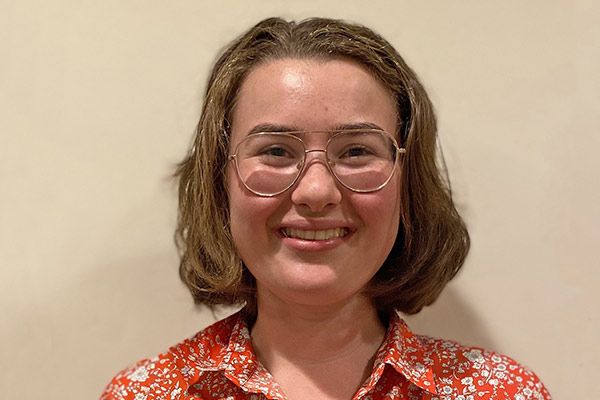
Institution & Position
Magee Women's Research Institute, Pittsburgh, PA
Research Assistant
Experience
Dylan Michael (SF22) spent the summer in a hybrid internship at the Magee Women’s Research Center (MWRI) serving as a research assistant in the Rohan Lab, which develops drug-delivery mechanisms. Because she wasn’t in the lab every day, Michael spent extra time learning how to perform lab functions and assisting with her supervisors’ experiments. During her last two weeks, however, she was able to run a histology experiment almost completely on her own. While gaining lab skills and an greater understanding of research, she also became familiar with the process of reading, understanding, and using critical thinking to synthesize scientific papers. Michael, who ultimately intends to study medicine, credits St. John’s for her ability to express thoughts clearly and concisely. “Being part of a research lab is more than just conducting the actual research; it is ensuring that that research is valuable, will serve a purpose, and can be done logistically,” she says.
Profile of Katherine Quinn (A22)
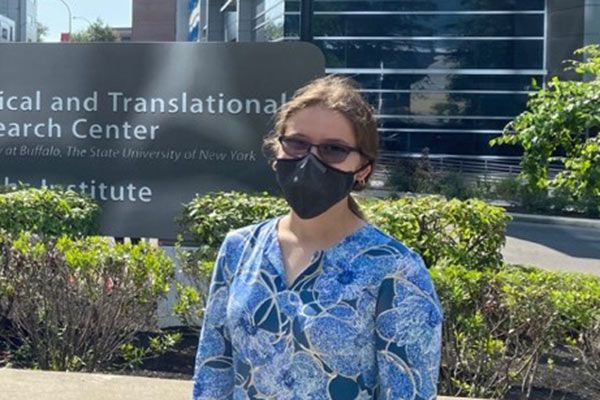
Institution & Position
Jacobs School of Medicine and Biology, SUNY Buffalo
Intern
Experience
In Katherine Quinn’s (A22) internship with pediatric rheumatologist Dr. James Jarvis (A75) at SUNY Buffalo’s Jacobs School of Medicine, she explored possible factors that contribute to higher rates of rheumatoid diseases among Native American adults. In delving into academic research that charted effects of stress, adverse childhood experiences, and less quantifiable factors (like racism) on that population, she says, “My St. John’s experience helped me. I was familiar with parsing technical jargon from fields I know little about and identifying what new concepts were central to the arguments outlined, [and] I was comfortable with the idea that I did not need to fully understand everything I was reading.” She enjoyed exploring the relationships between biological and social factors, and learned that she prefers a work mode that strikes a balance between supervision and the freedom to solve problems in ways that make most sense to her. “I could see myself working in a similar setting again,” says Quinn.
Profile of Jacob Sharpe (A27)
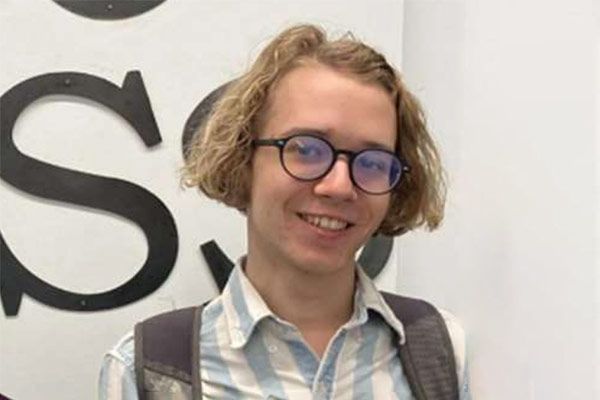
Institution & Position
New York University Press, New York, NY
Marketing and Publicity Intern
Experience
Jacob Sharpe (A27) worked as a marketing and publicity intern at New York University Press, where he gained experience in promoting books and learned about the publishing process. His responsibilities included writing blog and social media posts about genre-specific newsletters, preparing book award nominations, updating website metadata, and coordinating review copies with authors and publications. One of his main projects was a blog post exploring corporate influence on urban housing and cultural institutions, which allowed him to apply the research, analytical, and writing skills developed at St. John's. Through collaboration with colleagues across marketing, publicity, sales, and editorial, he also experienced the teamwork crucial to bring books to readers. "At St. John's we place an emphasis on the author and translator, but this internship showed me the equally essential work publishers put into making a book readable, beautiful, and lucrative," he says. "When I asked my supervisors and coworkers about what one needs to thrive in publishing, the consistent answer I received was that it requires a passion for books and that nothing else could sustain a career in a field that is plateauing, even declining... We place too much reliance on digital, which is easily controlled and surprisingly fragile. Books last; great ones endure for centuries. Even if my career prospects don't carry me into publishing[,] these beliefs will endure wherever I go."
Profile of Helen Wagner (A26)
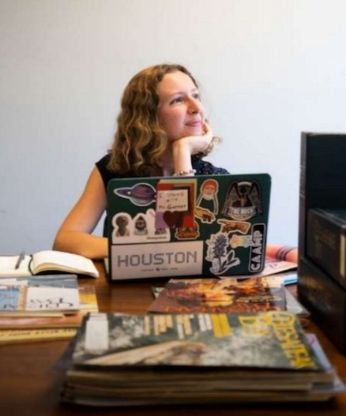
Institution & Position
Chesapeake Bay Media, Annapolis, MD
Intern
Experience
Helen Wagner (A26) worked as a writer for Chesapeake Bay Magazine, a lifestyle publication covering boating, conversation, travel, and news across the Chesapeake Bay region. Over ten weeks, she wrote twelve articles, managing the process from pitching stories and conducting interviews to drafting and submitting finished pieces. She also copyedited the magazine's weekly news publication and covered a variety of topics, including oyster restoration, lighthouses, and local conservation initiatives. Through this experience, she developed her journalistic writing skills, work management under tight deadlines, and confidence in contacting sources and confronting strangers for interviews. "After writing several pieces about the environmental health of the Bay and interviewing conservation groups, I've discovered a particular interest in climate journalism. I've always loved nature alongside writing... [and] conservation journalism allows me to care for the environment I love by using my skills as a writer. I found this kind of writing incredibly rewarding," she says. "As I think about my future after St. John's, I'll be looking for a job where I can use my writing to serve the environment and the people who care for it."
Profile of Lainey Rendelman (A26)
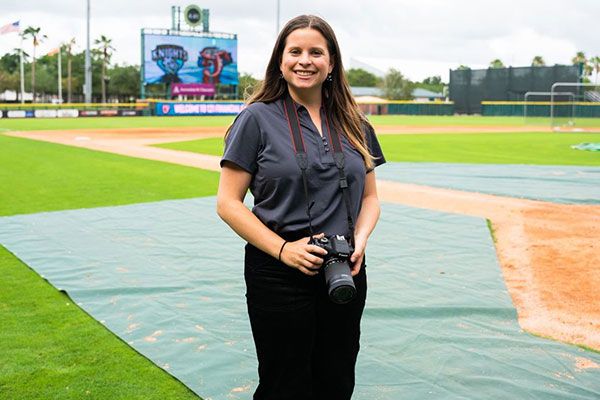
Institution & Field of Study
Jacksonville Jumbo Shrimp Baseball Club
Intern
Experience
As a broadcast/media relations intern with the Jacksonville Jumbo Shrimp Baseball Club in northeast Florida, Lainey Rendelman (A26) created posts for the team’s social media accounts; served as the team’s broadcast producer on their flagship radio station; and contributed to the Jumbo Shrimp Network with interviews, reports, and player storylines. She also assisted with all media relations efforts, including accommodating interview requests, administering media credentials, and creating and distributing game day materials. “One of the most frequently asked questions I receive pertaining to my education is, ‘Why would you go to a school like St. John’s if you want to work in sports broadcasting?’ Rendelman says. “My answer to this question remains the same: St. John’s is teaching me through seminar how to be an effective communicator. This skill is pertinent when it comes to hosting the pregame radio show and conducting player interviews.”
Profile of Diana Hidalgo (SF24)
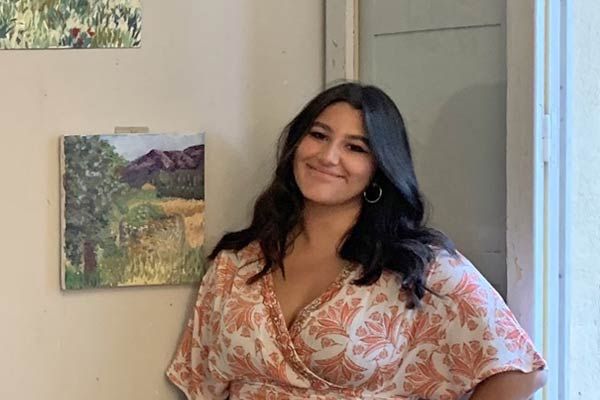
Institution & Field of Study
The Marchutz School of Fine Arts Aix-en-Provence, France
Courses: Painting and Drawing; Art Criticism and Aesthetics
Experience
While attending the Marchutz School of Fine Arts’ six-week immersion program in French art and culture, Diana Hidalgo (SF24) lived in a homestay, attended seminar-style classes, took sketching and painting trips, engaged in field studies, and attended classes in drawing and painting as well as art history and aesthetics—all while taking Covid safety precautions. In analyzing work by Van Gogh, Degas, and Cézanne, Hidalgo learned how these great artists viewed the world and how she, in turn, views it herself. As she loosened her “fixed mindset of perfection and guidelines,” she says, “I developed a better sense of following my instincts and painting what I saw instead of what I thought. Marchutz taught me that I am a confident and independent woman and that I have a voice and a purpose in an academic world,” she continues. “The city, curriculum, and people that surrounded me helped me fall in love with myself and the learning that I was doing.”
Profile of Kasparas Adomaitis (A23)
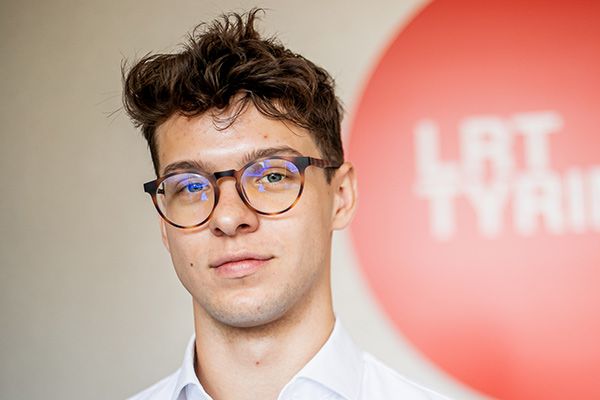
Institution & Position
Lithuanian Radio and Television, Investigative Journalism Division
Intern
Experience
A concern for political transparency and freedom of the press in his home country led Kasparas Adomaitis (A23) to intern at the investigative journalism division of Lithuanian National Radio and Television (LRT). Working within a team of five, he helped conduct, write, and present a range of investigations, one of which involved perusing the state archives to uncover how certain Lithuanian state property was privatized after the fall of the Soviet Union. For another, Adomaitis made English translations of ongoing investigations to be shared with foreign media outlets. “My most memorable project was investigating the migration networks of people from the Middle East through Belarus into Lithuania,” he says. “I interviewed Kurdish migrants who had crossed the Lithuanian border into detention centers.” He appreciated the welcoming support his of his mentors and notes that “having always found it difficult to find a career path that would genuinely interest me, this internship made me realize that I could pursue journalism and be good at it.”
Profile of Kabita Sen (A23)
Institution & Field of Study
University of Massachusetts, Amherst
Course: International Journalism
Experience
Kabita Sen’s (A23) 13-week online course at University of Massachusetts, Amherst focused on three aspects of international journalism: international relations, terrorism, and war reporting. As Sen explored complex relationships between individuals, institutions, and social phenomena, she came to understand the responsibility of journalists to “[fit] new events into familiar frames of reference—an endeavor fraught with practical and ethical dilemmas.” She focused especially on the need for international journalists to “explain the ‘other’ to their readers through comprehensible, interesting stories without essentializing the ‘other’ and employing facile clichés.” Through readings, class discussions, and assignments, she analyzed the forces that shape discrimination in media coverage “based on factors such as race, ethnicity, language, religion, class, ability, nationality, or gender.” Sen’s final research paper presented an overview of the current state of journalism in her home country, Nepal.
Profile of Miselo Matipa (SF22)
Institution & Field of Study
Boston University
Course: Storytelling for Film and Television
Experience
Miselo Matipa (SF22) took the Boston University course Storytelling for Film and Television, a six-week intensive introduction to the fundamentals of screenwriting. She intends to pursue an MFA in screenwriting and chose BU for its status as one of the nation’s top 25 film schools. The class was attended mostly virtually, but Matipa was the sole in-person student, a format that entailed daily Covid symptoms screenings and twice-weekly testing. “I opted in for this because I wanted to be able to talk to my professor freely before and after class, the way we often do at St. John’s,” she says. Each student wrote two short screenplays, a process in which the importance of critique, peer review, and revision was stressed. By analyzing storytelling approaches of popular movies as they progressed from script to screen, Matipa learned to recognize which narrative elements work and which don’t. “I see the practical insights gained during the course as being beneficial to me for a very long time, [and] I gained a lot of industry information from the class materials,” she says.
Profile of Delaney Costello (A27)
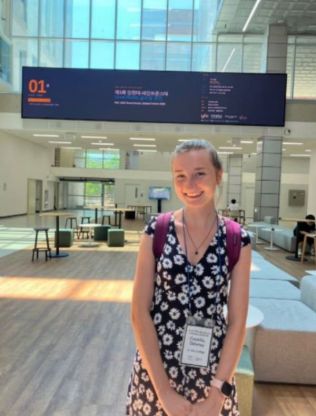
Institution & Position
Hallym University, Chuncheon, South Korea
Intern
Experience
Delaney Costello (A27) spent her summer at the Chuncheon Great Books Camp in South Korea as a student tutor with her fellow Johnnies and tutors from both Annapolis and Santa Fe campuses. She led seminar-style discussions with elementary and high school students, while also attending conferences on the progress of Great Books education in Korea, developing texts for future classroom use, and even guiding students in performance of the scenes from King Lear and Macbeth. She appreciates the curiosity and thoughtfulness of the Korean students who were newly introduced to the seminar-style education. "Despite dealing with challenging texts, both the elementary and high school students seemed to grasp and grapple with their messages. They had asked questions about these works that I'd never thought of in my seminars, and I often felt inspired by their curiosity," she says. "This internship has confirmed for me that I would love to work in education, and that it isn't too optimistic to think the St. John's style can work for primary and secondary school... I truly loved every minute working with the students[,] and I would love to continue spreading the St. John's style of education, either with the GB camp again or somewhere in the United States."
Profile of Reagan Bottomley (A26)
Institution & Position
Hudson Institute Political Studies, Washington, D.C.
Intern
Experience
Reagan Bottomley (A26) worked with the Hudson Institute Political Studies in Washington, D.C., where she supported an intensive six-week program for students studying political thought. Her responsibilities included organizing events, leading city tours, reviewing student essays, facilitating seminar-style discussions, and coordinating with guest speakers. Drawing on her education at St. John's and her experience with the Political Studies program, she helped students engage closely with texts on political philosophy while developing practical skills in teaching and essay advising. "St. John's gave me a solid civic education, both in universals with Plato, Aristotle, Locke, and Hobbes, and also with the particulars of the Federalist, Tocqueville, Lincoln, and our founding documents. That education, along with my senior essay on citizenship in Plutarch's Life of Cato the Younger, had thoroughly convinced me to build my career around public service," she says. "Following the conclusion of this internship, I will be working part-time with the Hudson Institute as we begin planning ahead for next year... and I know this internship will be a great foundation for all my future efforts."
Profile of Yoomin Hong (SF26)

Institution & Field of Study
PhiloUS
Intern
Experience
During her product management internship at PHILOUS, a private education company in South Korea, Yoomin Hong (SF26) designed and managed programs and curriculums for elementary and middle-school students. She also engaged in marketing efforts and even served as an instructor herself, piloting a St. John’s-inspired experimental education method where she combined Euclid’s Elements with a public-school math curriculum.“I wanted students to experience the in-depth learning of math not only as solving a problem and getting the answer right, but also as a time to learn how to logically approach proving a proposition,” Hong says. “I also had the opportunity to actually teach two students with the curriculum I made. Though it was only four classes, the feedback I got from students was rewarding, as they expressed how they were able to learn how to ask ‘Why?’ through the program.”
Profile of Carl Guttmann (SF24)

Institution & Field of Study
Rome Institute of Liberal Arts
Course: Empire and the Soul
Experience
For Carl Guttmann, the Rome Institute of Liberal Arts (RILA) program aligned well with personal and career interests. The course he took, Empire and the Soul, comprised history, mythology, theology, and philosophy (as well as work by some post-classical authors) to address questions he broadly summarizes as: “What is the relationship between the individual and the group and how is it influenced by different forms of government and societal structures?” Rome itself provided “a wealth of Classical, Hellenistic, Renaissance, and Baroque art and architecture,” and by collaborating with non-Johnnies, Guttmann was “able to get an idea of how the Great Books are taught at more ‘normal’ universities but also how students that, for the most, part pursue a different major integrate them within their respective course of study on an intellectual level.” He also enjoyed getting to know people with whom he might end up in same professional field: “Call it networking if you must”.
Profile of Onysha Boak (SF22)
Institution & Position
Suara Rakyat Malaysia (SUARAM)
Intern
Experience
Onysha Boak (SF22) completed an online internship with human rights organization Suara Rakyat Malaysia (SUARAM), whose name means “voice of the Malaysian people.” SURAM focuses on freedom of expression, indigenous and LGBTQ rights, and police abuse of power. With her mentor, SUARAM’s Right to Justice program coordinator, Boak worked on refining a data sheet that detailed police custody deaths, a process the involved searching through official reports and government documents for information indicating abuse of power or systemic cover-ups. “We were also approached by Malaysiakini, a local news website that wanted to publish a special report based on our work,” says Boak. “In the final few weeks of my internship, I wrote about thirty short profiles on death in custody cases to be included in Malaysiakini’s report.” She appreciated SUARAM’s effective approach to advocacy, which encompassed both legislation and public education. The internship opened up career possibilities for her, not only in advocacy but also in fields like journalism.
Profile of Danpig Long (SF22)
Institution & Position
Mentoring Kids Works NM, Santa Fe, New Mexico
Intern
Experience
As one of twelve summer literacy interns at the nonprofit Mentoring Kids Works NM, Danpig Long (SF22) worked to design a mentoring club module as part of the organization’s high school internship program, which encourages teens to pursue careers in public education. Throughout the process, Long says she was “constantly being pushed to look past the lovely scenario of reading with children to find the root problem that may hinder their study.” She discovered that literacy is not an issue separate from other aspects of society, and promoting it requires a holistic focus on a community, including the daily concerns of indigenous people, governmental policies, and the relationship between tradition and modernization. Mentors must give constant academic and emotional support to children, says Long, adding, “Everyone who wants to work for their community should be prepared to deal with human beings with respect and understanding, which includes countless selfless collaborations and genuine conversations.”
Profile of Rediet Worku (A21)
Institution & Field of Study
The English Academy (Exam Centre of Ireland, Ltd.)
Course: Cambridge CELTA
Experience
Rediet Worku (A21) took an online course in CELTA, Cambridge University’s ESL program, which, she says, “differed greatly from my experience at St. John’s College.” Worku found the program was more rigorous in terms of quantity of material than in content, and the right-wrong teaching format was difficult for assessing student progress. To keep focused, Worku says, “I read the textbooks used for instruction as I would with Montaigne or Augustine, looking for patterns within the grammar or fill-in-the-blank questions that would make delivery of the lessons more interesting.” As a result of the course, Worku’s relationship with English grammar evolved from implicit to explicit: “I could, for the first time, use it consciously and alter it as I pleased.” The class also reinforced her commitment to the pursuit of open-ended discourse. “I now know, with evidence, that the teaching I long to do in life is associated with the guidance of students to the nature of things,” she says.
Profile of Theodora Reiter (A25)
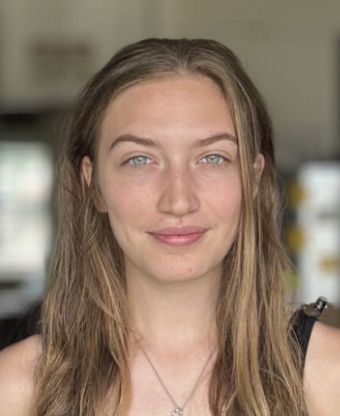
Institution & Field of Study
Bunker Hill Community College, Boston, MA
Principles of Psychology or Group Dynamics
Experience
Theodora Reiter (A25) spent her summer to take two undergraduate level courses on introductory psychology and statistics. She explored a broad expanse of psychology topics, ranging from neuropsychology to the Freudian psychodynamic perspectives, while learning the methods for data organization and calculations. One of the things she appreciates is the opportunity to experience an academic environment outside St. John's College. "There is a much wider range of educational backgrounds, ages[,] and socioeconomic classes than at a private liberal arts college like St. John's," she says. "For this reason, I'd recommend for any Johnnie to take community college courses; it served as an opportunity for me to reflect on my time at St. John's College, and to examine what skills and values are important to take with me beyond the small confines of Annapolis; how to continue finding intellectual fulfillment in the "outside world," and integrate into the greater community."
Profile of Kashvi Khanna (SF23)
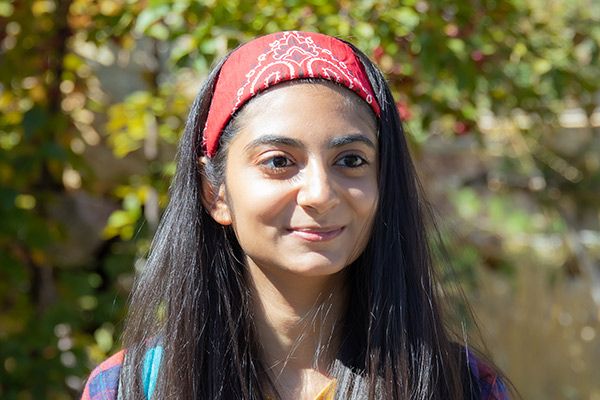
Institution & Field of Study
University of Michigan
Course: Social Psychology
Experience
Kashvi Khanna (SF23) took a pre-recorded University of Michigan class in social psychology. Comprising four units, it progressed in content from the biological aspect to the social. Khanna, who is especially interested in the practical applications of the subject, says, “I found it fascinating that the lecturer described social psychology as the hub and intersection of all disciplines. For example, an engineer may design a perfect tornado shelter, but the shelter will not serve its purpose if people are not convinced to go into the shelter when the tornado hits.” She was thoroughly engaged by the subject matter, and she gained valuable insights into her preferred style of learning. “I never had time to discuss the material with my classmates, like we do at St. John’s,” she says of the course's asynchronous format. “In the future, I will be careful to choose an environment that works for me.”
Profile of Chinazor Ike-Njoku (SF23)

Institution & Field of Study
Harvard University
Course: Introduction to Psychology
Experience
Chinazor Ike-Njoku’s (SF23) desire to pursue a career in psychology was reinforced when she took a seven-week intensive course at Harvard, which has one of the nation’s top programs. Introduction to Psychology led by neuropsychology professor Dr. Elizabeth Phelps, encompassed the history of the discipline and current studies on a range of subfields. Ike-Njoku has always had a passion for mental health. “Having grown up and lived with several people who suffer(ed) from mental health disorders, I developed an interest in how the brain functions and how certain attitudes and behaviors can alter its functioning for better or worse,” she says. In addition to convening twice a week on Zoom, she and her classmates participated in ethical psychological research studies. Ike-Njoku felt well-prepared by her St. John’s education to tackle the course’s challenges and noted: “My professor commended my critical-thinking skills and my ability to proceed from fact to judgment. I could not have imagined a better summer.”
Profile of Bao Le (A21)

Institution & Position
Texas A&M University’s WorthyLab
Intern
Experience
Bao Le (A21) interned at Texas A&M’s Worthy Lab, which focuses on cognition and cognitive neuroscience, using mathematical models to explore the processes of learning and decision making. Because it was Le’s first experience with onsite research in psychology and neuroscience, he was introduced to lots of unfamiliar material, including the H (Hybrid) programming language, mathematical behavior modeling, and statistical analysis of experimental data. “I overcame these obstacles within a short time thanks to the experience of acquainting myself with new and challenging concepts during laboratory tutorials at St. John’s,” he says. Though Le attended the lab sessions in person, most of the attendant work was completed digitally. Throughout, he was communication with undergrad and graduate students, while also receiving project support from his mentor, Dr. Darrell Worthy. For Le, the experience was “an encouraging step towards pursuing further studies and research in cognitive neuroscience and its related fields.”
Digital Presence
Profile of Samuel Berrettini (A21)
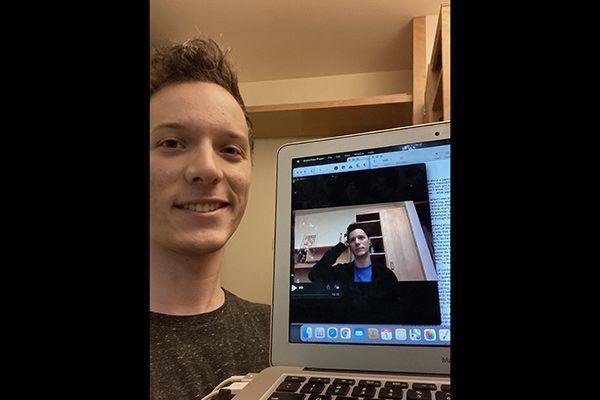
Institution & Position
Point Park University, Pittsburgh, Pennsylvania
Research Assistant
Experience
Samuel Berrettini (A21) worked one-on-one as a remote research assistant for Dr. Brent Robbins at Point Park University. Though he had previous experience interning at Boston University’s Social Learning Lab and had taken online psychology courses, he found Dr. Robbins’s lab to be more clinically oriented. “I had two main responsibilities: conducting interviews for an ongoing phenomenological study on virtuous masculinity, and writing up an IRB [Institutional Review Board] proposal for a planned study on joy, alexithymia, experiential avoidance, and chronic pain,” says Berrettini. Scheduling challenges meant that he was able to complete only a small number of interviews, but the process allowed him to use the listening skills he honed as Johnnie. After completing the internship, Berrettini took a job as a client solutions associate at network counseling firm GLG, but he intends to return to psychology eventually. “Until then, I will still be applying the skills I learned; the ability to do self-directed, data-driven work remotely has already been invaluable to me at GLG.”
Profile of James Weiss (A28)
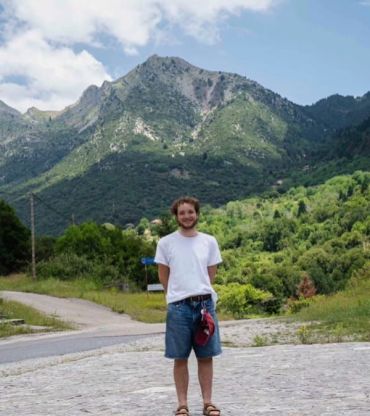
Institution & Position
Poretsou Monastery, Agrampela, Greece
Intern
Experience
James Weiss (A27) interned at the Poretsou Monastery, a former religious community now operating as a nonprofit dedicated to ecotourism and agrotourism. Working in the surrounding mountains, he helped map and restore hiking trails and maintained the monastery's permaculture garden. Through hands-on agricultural work and daily interactions with coworkers from different linguistic and cultural backgrounds, he developed a deeper appreciation for the relationship between people, plants, and the land. "The pace of the work followed the weather and the land rather than a clock, and expectations were rarely stated outright; you learned what was expected of you by watching and doing," he says. "This internship affirmed rather than redirected my academic path... I had been heavily considering a future career related to ethnobotany and this experience; watching people build a working relationship with land and plants shaped by centuries of religious and cultural practice confirmed that interest!"
Profile of Avi Pope (A26)
Institution & Field of Study
European Alpine Academy, Ettal, Germany
Linguistics & Ecology
Experience
Avi Pope (A26) spent his summer in Ettal, Germany, with the James Loeb Society's European Alpine Academy. "In multiple ways it's the perfect program for a Johnnie," he says. "There was a lot of reading, and a lot of time for contemplation and discussion among students in the long hikes we take in the beautiful Bavarian Alps." He took an intensive German language course, an introduction to contemporary German thought and culture, and a creative writing workshop in collaboration with the University of Innsbruck, while reading and discussing ancient Greek texts and working on different art projects ranging from poetry to silk screen printing. "My time in Germany this summer has changed who I am as a person, and I don't think it would be an overstatement to say it has changed the trajectory of my future as well... [I]f I hadn't completed this program[,] I would not have had my future opened up to the possibility of international graduate school."
Profile of Sophie Frankel (SF25)
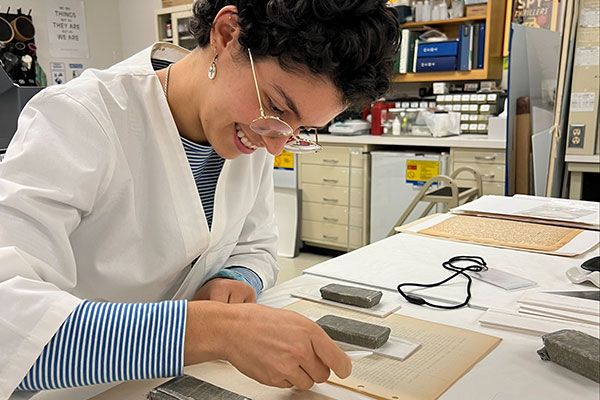
Institution & Field of Study
Conservation Department, Smithsonian National Museum of American History
Intern
Experience
Sophie Frankel (SF25) interned at the Smithsonian National Museum of American History in Washington, D.C., in the Conservation Department’s paper lab. She spent her summer organizing, repairing, treating, and digitizing American musicologist and folklorist Mack McCormick’s archive, detailing his work to collect information about jazz and blues musicians in the American South from the 1930s through the 1950s. “The collection that McCormick amassed over his 60-year career is one of the biggest and most significant blues archives in the country,” Frankel says. “Our goal was to stabilize his unpublished manuscript for use by researchers and the interested public.” Working in conservation, she concludes, allowed her “to apply the precision and thought processes I’ve developed at the St. John’s lab program. Although we study vastly different subjects, I was able to maintain a sense of curiosity and make choices driven by interrogation.”
Profile of Ogden Berry (SF24)
Institution & Field of Study
Middlebury Language Schools
Course: French
Experience
Ogden Berry (SF24) completed an immersive French-language experience at Middlebury Language Schools encompassing phonetics, grammar, and expression, as well as history and culture. His experience studying Greek as a St. John’s freshman gave him a solid foundation for evaluating French grammar; also familiar was the fact that learning continued outside the classroom, with students practicing their language skills over meals and in dorms. Berry is considering a career in language education, and during his seven weeks at Middlebury he connected with French teachers and explored the school’s master’s program. “Not only did I walk away with elevated French skills,” he says, “I became aware of patterns and phrases in English I hadn’t previously considered. The program aided my personal goal of being bilingual and prepared me to have more authentic relationships with French texts.”
Profile of Lysithia Page (A23)

Institution & Field of Study
University of California, Berkeley
Course: Greek Workshop
Experience
Lysithia Page (A23) found that St. John’s provided a strong foundation for a studying Attic Greek at UC Berkeley, where she and her classmates delved into the intricacies of grammar before spending four weeks translating selections from the Iliad and Lucian’s Dialogues of the Gods. “Reading the original text opens up a remarkable degree of richness,” says Page, who was “awestruck by the sheer concentration of verve and wit in each poetic line.” Throughout the course, she pondered the particularities of learning a language, a process where “one must begin with rote nutshell gists of words, and somewhere along the way in the study, one develops an intuitive sense for the fluid, undulating disposition of the multitude.” After completing the Berkeley class, Page went on to serve as a St. John’s Greek assistant and share her love of the language with fellow students.
Profile of Daniel Han (A22)
Institution & Field of Study
University of Notre Dame
Course: Augustine: Life and Sermons
Experience
For Daniel Han (A22), a University of Notre Dame course on St. Augustine featured elements similar to the St. John's Program; although there were lectures and slideshow presentations, the majority of class time was spent discussing students’ Latin translations. This interactive format gave Han the confidence to participate in discussions and ask questions—especially of his professor, whom he met outside of class for extra one-on-one support. “I had the least amount of Latin experience in the class and struggled the most with my sight translations,” he says. “I learned that it is okay to be humbled, because that is how you learn and grow the most.” As a result of completing the course, Han has refined his academic goals. He still plans to pursue theology at the graduate level but now also has “the desire to learn more about [Augustine] and the history of the early church fathers [and] to continue my studies of Latin and Greek.”
Profile of Bennett Scott (SF21)
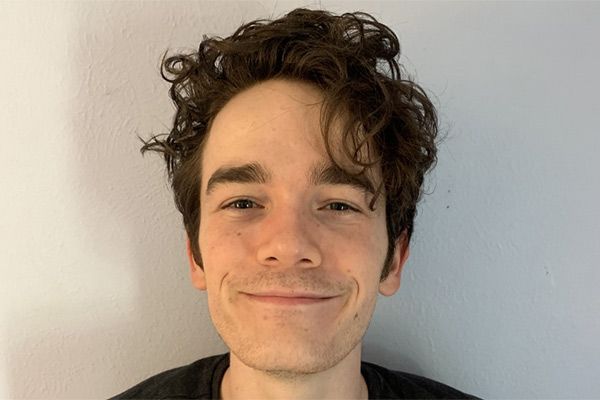
Institution & Field of Study
University of Michigan
Course: Japanese
Experience
Bennett Scott (SF21) calls the Japanese-language intensive course he took online at University of Michigan “the highlight of my summer.” His interest in the language originated in family visits to Japan and an appreciation for the country’s literary tradition, including works by Kenzaburo Oe, Haruki Murakami, and Yasunari Kawabata. “Japanese represents a wholly different living culture, with conjugations and words specifically to show respect and certain relationships to other people,” he says. “This makes speaking in Japanese not just practice in a new language, but in an entirely different way of thinking.” Student participation was encouraged in the small class, and Scott’s experience studying Ancient Greek at St. John’s equipped him with the confidence to experiment with grammatical structures and innovative verbal expression. Scott aims to become a translator of Japanese literature, a process through which, he says, “I will be able to bring great art and cross-cultural understanding to myself and others.”


